
Author: Syed Mahmood Faiyaz Mehdi

The humanitarian crisis in Gaza has escalated to unprecedented levels, underscoring the urgent need for a comprehensive and actionable global strategy that addresses both immediate relief and long-term solutions. While international condemnations have been frequent, they often lack the substantive actions necessary to effect real change. To move beyond symbolic gestures, the global community must adopt concrete strategies that ensure justice and foster sustainable peace in Gaza.

A Humanitarian Emergency on the Brink
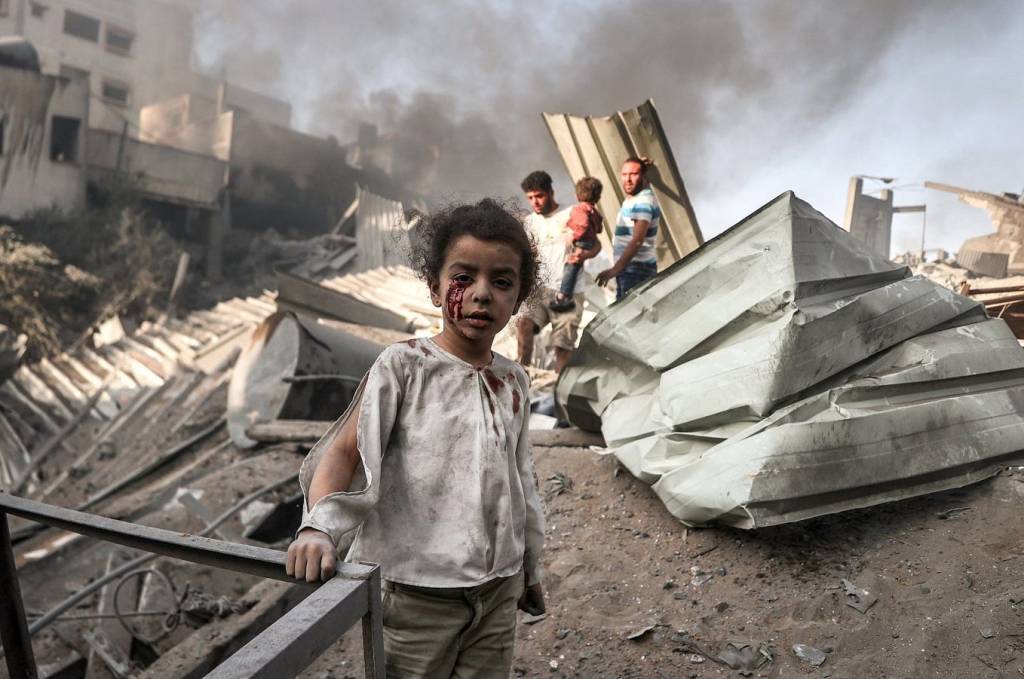
As of April 2025, the situation in Gaza has deteriorated alarmingly. Following the collapse of a ceasefire on March 18, Israel resumed full-scale military operations, leading to the deadliest week for children in Gaza over the past year, with over 1,000 children killed or injured.
The blockade has resulted in severe shortages of essential supplies such as food, water, and medicine, leaving the 2.2 million residents of Gaza in a dire struggle for survival.
Immediate intervention is not just a moral imperative but a necessity. The international community, led by the United Nations and regional coalitions, must enforce the safe and unobstructed delivery of aid. This includes:
- Establishing UN-protected humanitarian corridors
- Ensuring aid convoys are not targeted
- Deploying neutral peacekeeping forces mandated to safeguard relief efforts
Any state or entity obstructing humanitarian assistance must face severe diplomatic and economic consequences.

Breaking the Cycle: A New Diplomatic Paradigm
Traditional diplomatic frameworks have repeatedly failed, collapsing under the weight of geopolitical interests and entrenched biases. A new, impartial mediation process is essential—not dictated by dominant superpowers, but facilitated by neutral nations and regional stakeholders.
A coalition of independent mediators—including representatives from South Africa, Brazil, Norway, and ASEAN countries—could provide fresh perspectives unhindered by historical allegiances.
The peace process must be guided by international law, ensuring accountability for war crimes and violations of humanitarian norms.
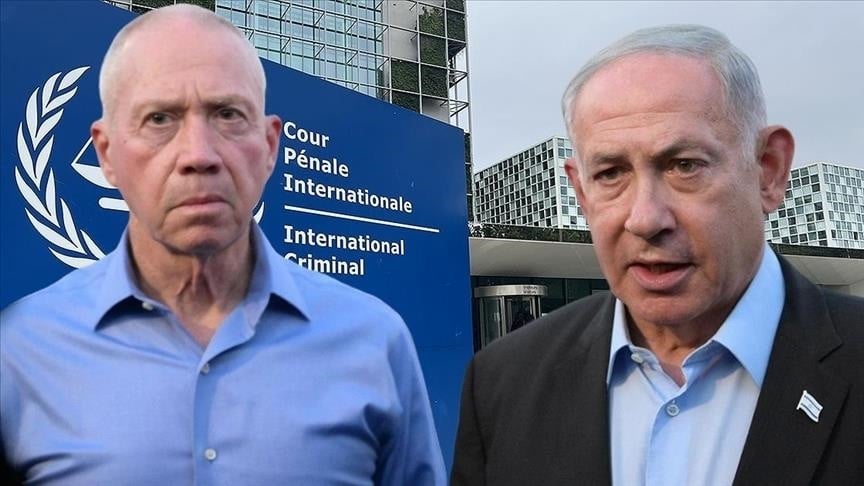
The International Criminal Court (ICC) must be empowered to investigate and prosecute those responsible for war crimes, irrespective of political affiliations. In November 2024, the ICC issued arrest warrants for Israeli Prime Minister Benjamin Netanyahu and former Defense Minister Yoav Gallant, alleging responsibility for war crimes during the Gaza war.
This unprecedented move underscores the necessity for the international legal system to act decisively. The weaponization of humanitarian aid, targeted strikes on civilian infrastructure, and the use of collective punishment cannot go unpunished.
If the international legal system continues to falter, it will set a dangerous precedent that undermines the very principles of global justice.
A Reconstruction Plan for Gaza’s Future
Even if a ceasefire were secured tomorrow, Gaza would remain a land of devastation—its hospitals in ruins, its schools reduced to rubble, and its economy in collapse.
A long-term reconstruction plan—akin to the Marshall Plan for post-war Europe—is vital to restoring hope and stability.
In March 2025, an emergency Arab summit in Cairo adopted Egypt’s comprehensive plan for the reconstruction of Gaza. This includes:
- Building 460,000 permanent housing units
- Restoring essential services such as water, healthcare, electricity, sanitation, and education
The Palestinian government has also advanced a “comprehensive plan” for Gaza’s reconstruction, emphasizing the need to significantly expand urgent relief and early recovery operations.
This reconstruction effort must be led by an independent international consortium, free from political influence, and focused solely on rebuilding essential infrastructure.
Economic independence is key to long-term stability. Empowering Palestinian-led businesses, investing in technology and sustainable industries, and fostering regional trade partnerships will reduce reliance on foreign aid and build a self-sufficient Gaza.
Additionally, economic interdependence between Israelis and Palestinians can serve as a bridge to peace. Initiatives such as:
- Joint industrial zones
- Cross-border trade agreements
- Cooperative renewable energy projects
…can create mutual benefits and help discourage future conflict.
Reforming Global Governance to Prevent Future Atrocities
The Gaza crisis has laid bare the systemic failures of global governance. The United Nations Security Council, crippled by political deadlock and veto power, has been ineffective in preventing humanitarian catastrophes.
Immediate reforms are required to ensure that humanitarian crises do not become hostages to geopolitical rivalries. Key reforms include:
- Expanding the Security Council’s membership
- Limiting the scope of veto power in humanitarian emergencies
- Creating an independent emergency task force within the UN
Regional organizations such as the Arab League, the African Union, and the Organization of Islamic Cooperation must also be empowered to take proactive roles in conflict prevention and mediation.

Furthermore, the establishment of an international early-warning system for human rights violations, led by an independent coalition of NGOs and policy experts, can ensure that conflicts are addressed before they escalate into full-scale humanitarian disasters.
The Cost of Inaction
The world has witnessed Gaza’s suffering in cycles, each time responding with outrage but little action.
If history is to stop repeating itself, the global community must take bold steps—ensuring justice for victims, enforcing the protection of civilians, and rebuilding a future where peace is not just a fragile truce but a lived reality.
Condemnation alone is meaningless without consequence.
Justice without accountability is an illusion.
If the world truly values peace, now is the time to prove it.



Leave a comment