The Pahalgam terror attack, executed by five to six terrorists linked to The Resistance Front (TRF), an offshoot of Pakistan-based Lashkar-e-Taiba (LeT), targeted tourists in Baisaran meadow, a popular destination in Jammu and Kashmir. The attack, which involved religious-based targeting and resulted in 26 deaths, has been condemned globally, with India attributing it to Pakistan’s Inter-Services Intelligence (ISI) and cross-border terrorism. India’s response has been severe, including:
- Suspension of the 1960 Indus Waters Treaty, a move Pakistan deems an “act of war.”
- Closure of the Attari-Wagah border crossing.
- Suspension of visa services for Pakistani nationals and reduction of diplomatic presence.
- Threats of military retaliation, with Prime Minister Narendra Modi vowing to pursue perpetrators “to the ends of the Earth.”

Pakistan has retaliated by suspending trade, closing its airspace to Indian flights, and declaring Indian advisors in Islamabad persona non grata, while rejecting India’s allegations and emphasizing the Kashmir dispute. The crisis, occurring during a period of heightened diplomatic activity (e.g., Modi’s visit to Saudi Arabia and U.S. Vice President JD Vance’s visit to India), risks regional instability, prompting Saudi Arabia’s mediation efforts.

Saudi Arabia’s Capacity to Mediate
Diplomatic Leverage
Saudi Arabia’s unique position stems from its strong bilateral ties with both India and Pakistan, enabling it to act as a credible intermediary:
- With Pakistan: Saudi Arabia has a longstanding alliance with Pakistan, rooted in military cooperation, economic aid, and shared Sunni Muslim identity. Pakistan relies on Saudi Arabia for financial support, including loans and oil supplies, and hosts millions of Pakistani workers whose remittances are critical to its economy. This influence allows Saudi Arabia to pressure Pakistan to curb militancy and engage in dialogue.
- With India: Saudi Arabia’s relationship with India has grown significantly, driven by energy exports (Saudi Arabia is India’s third-largest oil supplier), investments, and strategic partnerships. The 2019 Riyadh Declaration and Modi’s visits to Saudi Arabia (including April 2025, cut short due to the attack) underscore this deepening bond. Saudi Arabia’s Vision 2030 economic diversification plan relies on Indian markets and labor, incentivizing stability in South Asia.

Historical Precedent
Saudi Arabia has previously mediated between India and Pakistan, notably after the 2019 Pulwama attack, when it collaborated with the UAE to facilitate back-channel talks, leading to de-escalation following India’s airstrikes in Balakot. Crown Prince Mohammed bin Salman’s (MbS) personal engagement during his 2019 visits to both nations helped calm tensions, demonstrating Saudi Arabia’s ability to navigate such crises. This experience equips Saudi Arabia with the diplomatic playbook to mediate effectively.
Regional Influence
As a leading Sunni power and custodian of Islam’s holiest sites, Saudi Arabia wields significant moral and diplomatic authority in the Muslim world. Its condemnation of the Pahalgam attack, alongside other Muslim-majority nations like Iran, UAE, and Jordan, aligns with India’s anti-terrorism narrative, enhancing its credibility as a neutral mediator. Saudi Arabia’s recent normalization with Iran (2023 China-brokered deal) also positions it to coordinate with other regional players, reducing the risk of competing mediation efforts.
Key Figures
- Foreign Minister Faisal bin Farhan Al Saud: Faisal’s proactive engagement, including phone calls with Indian External Affairs Minister S. Jaishankar and Pakistani Foreign Minister Mohammad Ishaq Dar, signals Saudi Arabia’s commitment. His diplomatic finesse, demonstrated in regional conflict resolution, makes him the primary mediator.
- Crown Prince Mohammed bin Salman: MbS’s strategic vision and personal rapport with Modi (evident during their April 2025 meeting) provide high-level influence. His offer of assistance, as noted by India’s ambassador to Saudi Arabia, underscores his role in shaping mediation efforts.
- Saudi Foreign Ministry: The ministry’s established channels in New Delhi and Islamabad, supported by ambassadors and diplomatic staff, can facilitate sustained dialogue.
Mechanisms for Mediation
Saudi Arabia can employ a multi-pronged approach to mediate the crisis, leveraging diplomatic, economic, and cultural tools:
1. Back-Channel Diplomacy
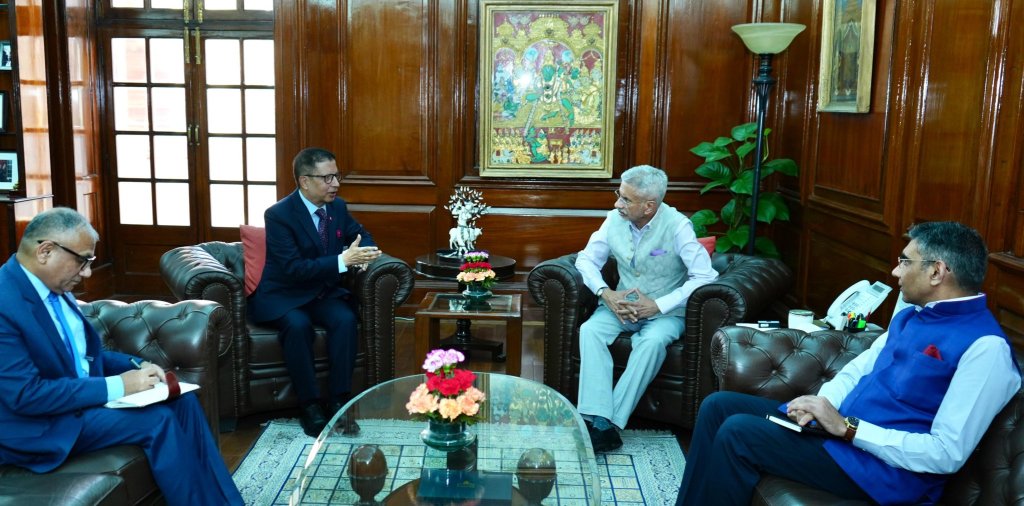
- Private Negotiations: Saudi Arabia can host discreet talks in Riyadh or Jeddah, involving senior officials from India and Pakistan. These could include India’s National Security Advisor Ajit Doval and Pakistan’s National Security Committee representatives, with Saudi mediators ensuring confidentiality.
- Shuttle Diplomacy: Faisal bin Farhan could travel between New Delhi and Islamabad, as MbS did in 2019, to convey proposals and build trust. This approach minimizes public posturing, given domestic pressures in both nations.
- Track II Diplomacy: Saudi Arabia could sponsor informal dialogues involving retired diplomats, military officials, or think tanks from India and Pakistan, fostering creative solutions away from public scrutiny.

2. High-Level Summit
- Trilateral Meeting: Saudi Arabia could propose a summit hosted by MbS, inviting Modi and Pakistani Prime Minister Shehbaz Sharif. The neutral venue of Riyadh, coupled with Saudi Arabia’s prestige, could encourage both leaders to engage constructively.
- Regional Framework: Saudi Arabia could involve other Gulf states (e.g., UAE, Qatar) or the Organization of Islamic Cooperation (OIC) to broaden the mediation platform, reinforcing regional commitment to stability.
3. Economic Incentives
- For Pakistan: Saudi Arabia could offer additional financial aid, oil credits, or investment commitments to encourage Pakistan to crack down on terror groups like LeT and TRF. This leverages Pakistan’s economic vulnerabilities, with its GDP growth stagnating at 2.4% in 2024 and foreign reserves at $9 billion.
- For India: Saudi Arabia could expedite investments in India’s energy and infrastructure sectors, aligning with Vision 2030, to incentivize India’s participation in dialogue. Saudi Arabia’s $100 billion investment pledge in India (2019) could be expanded as a goodwill gesture.
4. Confidence-Building Measures (CBMs)
- Security Cooperation: Saudi Arabia could broker agreements for joint India-Pakistan counterterrorism operations, focusing on dismantling TRF and LeT networks. This could include intelligence-sharing protocols mediated by Saudi Arabia.
- Trade Restoration: Saudi Arabia could propose reopening trade routes, such as the Attari-Wagah border, under a monitored framework to rebuild economic ties.
- Water Treaty Dialogue: Saudi Arabia could facilitate technical talks to address India’s suspension of the Indus Waters Treaty, possibly involving the World Bank, to prevent further escalation.
5. Public Diplomacy
- Cultural Messaging: Saudi Arabia could emphasize shared Islamic heritage and regional stability, invoking its role as a unifying force in the Muslim world. Statements from MbS or religious leaders could appeal to public sentiment in Pakistan and India’s Muslim communities.
- Media Engagement: Saudi Arabia could work with Indian and Pakistani media to promote de-escalation narratives, countering inflammatory rhetoric fueled by domestic pressures.
Challenges to Mediation
1. Domestic Pressures
- India: Public outrage, amplified by protests and candlelight marches, demands a strong response to the attack. Modi’s vow to “punish every terrorist” and the suspension of the Indus Waters Treaty reflect a hardline stance, limiting India’s flexibility. The opposition’s support for government action further constrains India’s openness to mediation.
- Pakistan: Pakistan’s military establishment, led by Army Chief Asim Munir, and its political leadership face pressure to counter India’s accusations. The suspension of the Simla Agreement and warnings of a “firm response” indicate a defensive posture, complicating concessions.
2. Perceptions of Bias
- Pakistan’s historical alliance with Saudi Arabia may lead India to question Saudi impartiality, despite Riyadh’s growing ties with New Delhi. India’s preference for bilateralism, rooted in the Simla Agreement, could make it wary of external mediation, especially if perceived as favoring Pakistan.
3. Geopolitical Complexities
- Iran’s Mediation Offer: Iran’s parallel offer to mediate, led by Foreign Minister Seyed Abbas Araghchi, introduces competition. While Saudi-Iran normalization (2023) reduces direct rivalry, their differing approaches (Iran’s cultural emphasis vs. Saudi Arabia’s economic leverage) could fragment efforts unless coordinated.
- Global Powers: The U.S., China, and Russia’s involvement (e.g., U.S. support for India, China’s backing of Pakistan) could overshadow Saudi efforts. The UN Security Council’s condemnation and calls for accountability add international pressure, potentially diluting Saudi Arabia’s influence.
- Kashmir Dispute: Pakistan’s insistence on linking the attack to Kashmir’s self-determination contrasts with India’s framing of it as cross-border terrorism, making substantive dialogue elusive.
4. Operational Hurdles
- Terrorism Allegations: India’s evidence of Pakistan’s ISI involvement, including sketches of Pakistani suspects, strengthens its narrative but complicates Pakistan’s willingness to engage without losing face.
- Militancy Control: Pakistan’s ability to dismantle terror groups like LeT and TRF is uncertain, given historical ties between its military and militant networks.
- Logistical Constraints: Ongoing security operations in Kashmir and heightened border tensions may delay mediation efforts, as both nations prioritize military readiness.
Potential Outcomes
1. De-escalation and Dialogue
- Best-Case Scenario: Saudi Arabia’s mediation leads to a temporary ceasefire, restoration of trade, and technical talks on the Indus Waters Treaty. Back-channel negotiations could pave the way for CBMs, such as joint counterterrorism efforts or reopening diplomatic channels.
- Likelihood: Moderate. Saudi Arabia’s economic leverage over Pakistan and strategic ties with India provide a strong foundation, but domestic pressures and the Kashmir dispute pose significant hurdles.
2. Stalemate
- Scenario: Mediation stalls due to India’s insistence on punitive action and Pakistan’s refusal to acknowledge terrorism links. Saudi Arabia maintains diplomatic engagement but fails to secure substantive commitments.
- Likelihood: High. Historical India-Pakistan crises (e.g., 2008 Mumbai attacks, 2019 Pulwama) show limited progress beyond immediate de-escalation, with root causes like Kashmir unresolved.
3. Escalation
- Worst-Case Scenario: Mediation fails, and India pursues military strikes, prompting Pakistani retaliation. This could spiral into a broader conflict, destabilizing South Asia and disrupting Saudi Arabia’s economic interests.
- Likelihood: Low. Global condemnation, nuclear risks, and Saudi Arabia’s diplomatic pressure reduce the likelihood of full-scale conflict, though skirmishes along the Line of Control (LoC) are possible.
Strategic Recommendations for Saudi Arabia
- Neutral Stance: Emphasize impartiality by condemning terrorism unequivocally.
- Coordinated Approach: Engage Iran and the UAE to form a unified mediation framework, leveraging their complementary strengths (Iran’s cultural ties, UAE’s prior mediation success).
- Economic Pressure: Use financial aid and oil supplies to incentivize Pakistan’s cooperation on counterterrorism, while offering India investment commitments to encourage dialogue.
- Incremental Goals: Focus on achievable CBMs, such as trade restoration or intelligence-sharing, rather than tackling the Kashmir dispute directly.
- Global Alignment: Coordinate with the U.S., UN, and OIC to amplify pressure on both nations, ensuring mediation aligns with international calls for restraint.
Conclusion
Saudi Arabia’s mediation offers a critical opportunity to de-escalate the India-Pakistan crisis following the Pahalgam terror attack. Leveraging its diplomatic clout, economic influence, and historical precedent, Saudi Arabia, led by Faisal bin Farhan and supported by MbS, can facilitate dialogue through back-channel talks, high-level summits, and CBMs.
However, domestic pressures, perceptions of bias, and geopolitical complexities pose significant challenges.
While immediate de-escalation is feasible, resolving the underlying Kashmir dispute or terrorism issues requires sustained effort beyond Saudi Arabia’s scope.
By prioritizing neutrality, coordination, and incremental progress, Saudi Arabia can play a pivotal role in preventing a catastrophic conflict and fostering regional stability.



Leave a comment