
On April 26, 2025, a catastrophic explosion rocked the Shahid Rajaee Port in Bandar Abbas, Iran, killing at least 18 people and injuring over 750.
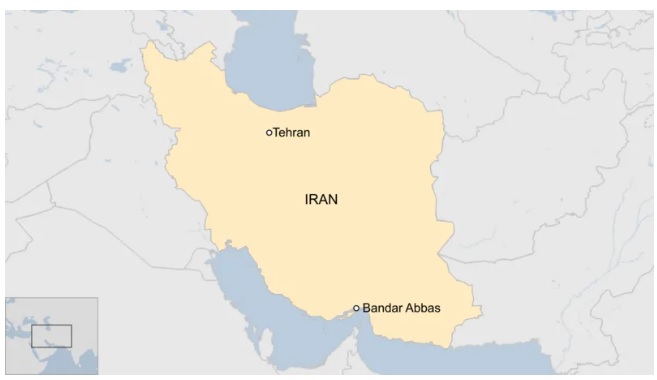
This incident, attributed to the explosion of chemical containers possibly containing sodium perchlorate, has disrupted operations at Iran’s largest commercial port, a critical node in global trade networks.
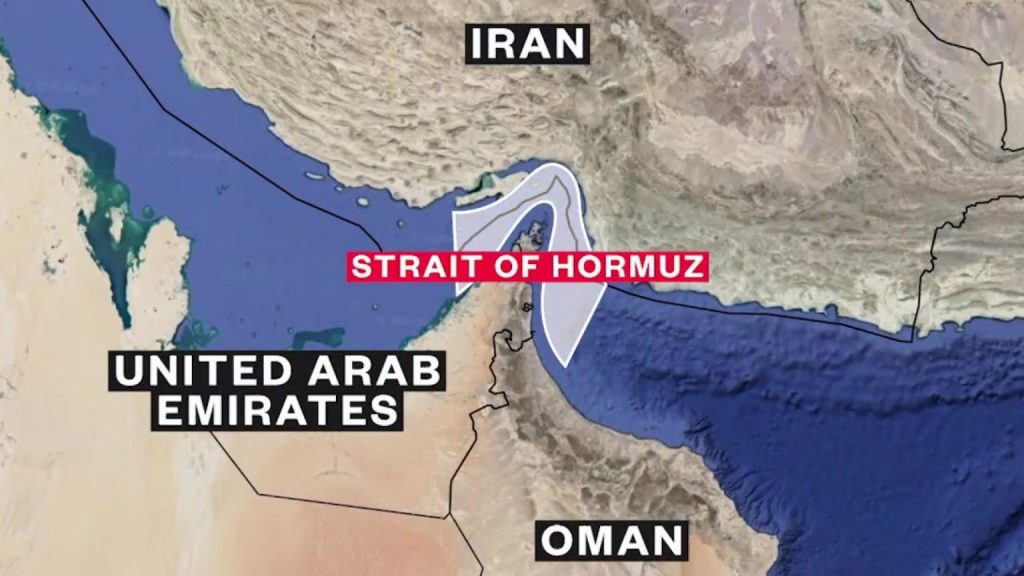
Located on the Strait of Hormuz, through which 20% of the world’s oil trade passes daily, Shahid Rajaee handles 85–90% of Iran’s container traffic and connects Asia, Africa, and Europe via the International North-South Transport Corridor (INSTC).
This analysis examines the multifaceted impacts of the explosion on India and international trade, focusing on economic disruptions, supply chain challenges, geopolitical implications, and potential mitigation strategies, supported by relevant data and insights.
Economic and Trade Disruptions at Shahid Rajaee Port
Shahid Rajaee Port, ranked 44th among the world’s 3,500 major ports, handles approximately 80 million tons of goods annually, with projections to reach 100 million tons post-expansion.
It serves as Iran’s primary maritime hub, facilitating imports and exports of electronics, agricultural products, and pharmaceutical raw materials, contributing significantly to Iran’s GDP.
The explosion led to the immediate suspension of port activities, halting container shipments and maritime operations. This closure has caused significant economic ripple effects, particularly for Iran, which is already strained by international sanctions and aging infrastructure.
For international trade, the disruption at Shahid Rajaee is critical due to its strategic location. The port’s proximity to the Strait of Hormuz makes it a linchpin for global oil and gas shipments.
The explosion has raised concerns about supply chain stability, with immediate consequences including delayed shipments, increased freight insurance costs, and potential rerouting pressures on other Gulf ports like Dubai’s Jebel Ali.
These disruptions contribute to rising oil price volatility, which affects transportation and manufacturing costs worldwide. For instance, oil price fluctuations can increase shipping costs by 10–15% in volatile periods, impacting global trade margins.
Specific Impacts on India
India, as a key trading partner with Iran and a stakeholder in the INSTC, faces significant challenges due to the Bandar Abbas explosion.
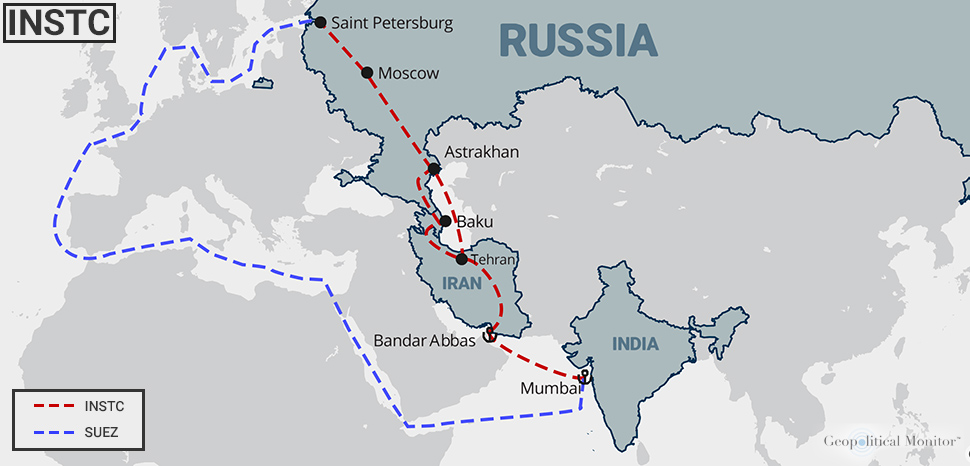
The INSTC, connecting the Indian Ocean and Persian Gulf to the Caspian Sea, Russia, and Northern Europe, is a cornerstone of India’s trade strategy to bypass Pakistan and access Central Asian markets.
Shahid Rajaee’s role in this corridor is vital, as it facilitates cargo movement from India’s western ports, such as Mumbai and Kandla, to Iran and beyond. The port’s closure disrupts these routes, delaying shipments of Indian exports like rice, tea, and textiles, which constitute a significant portion of India’s $2.4 billion trade with Iran (2023–24 data).
Moreover, India’s investment in the Chabahar Port, located 170 km from Bandar Abbas, is indirectly affected. Chabahar, developed with Indian funding of $500 million, serves as an alternative trade hub to reduce reliance on the Strait of Hormuz and bypass Pakistan for access to Afghanistan and Central Asia.
While Chabahar’s operations remain unaffected by the explosion, the disruption at Shahid Rajaee may increase pressure on Chabahar to handle additional cargo, potentially straining its capacity of 8 million tons annually compared to Shahid Rajaee’s 80 million.
This could lead to logistical bottlenecks, with Indian exporters facing delays of 7–14 days and increased shipping costs of up to 20%.
The explosion also impacts India’s energy security.
Iran is India’s third-largest oil supplier, with India importing 4.5 million barrels of crude oil monthly from Iran in 2024. Although the National Iranian Oil Products Refining and Distribution Company confirmed that oil refineries and pipelines were unaffected, the temporary closure of Shahid Rajaee disrupts oil-related logistics, potentially causing short-term supply chain hiccups. This may force India to rely on alternative suppliers like Saudi Arabia or Iraq, increasing import costs by 5–10% due to higher freight rates.
Geopolitical Implications
The timing of the explosion, coinciding with the third round of nuclear negotiations between Iran and the United States in Oman, adds a layer of geopolitical complexity.
While no evidence links the explosion to sabotage, Iran’s history of blaming Israel for similar incidents (e.g., a 2020 cyberattack on Shahid Rajaee) fuels speculation.
The Israel Defense Forces denied involvement, but the incident heightens regional tensions, particularly amid India’s delicate balancing act in Middle Eastern diplomacy.
India’s suspension of the Indus Waters Treaty with Pakistan on April 23, 2025, and escalating tensions following the Pahalgam terror attack further complicate regional trade dynamics, as Pakistan may restrict alternative land routes for Indian goods.
For India, the explosion reveals the vulnerability of relying on a single trade corridor like the INSTC.
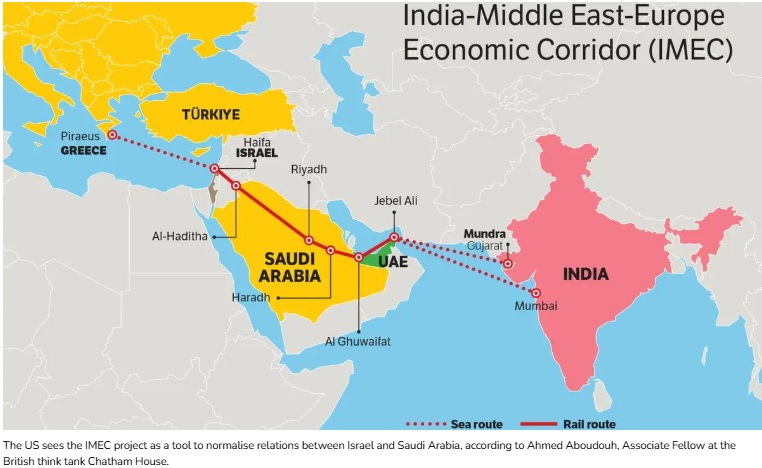
It strengthens the case for diversifying trade routes, such as enhancing Chabahar’s capacity or exploring the India-Middle East-Europe Economic Corridor (IMEC), which connects India to Europe via Saudi Arabia and Israel.
However, IMEC’s development is nascent, with an estimated completion timeline of 2030, leaving India exposed to short-term disruptions.
International Trade and Supply Chain Challenges
Globally, the Bandar Abbas explosion exacerbates existing pressures on supply chains, already strained by Red Sea piracy threats and sanctions volatility.
The closure of Shahid Rajaee, which connects to 80 major international ports and 21 global shipping lines, disrupts trade flows between Asia, Africa, and Europe. For example, European importers of Iranian petrochemicals and Asian exporters of electronics face delays, with rerouting via ports like Jebel Ali increasing transit times by 5–10 days and costs by 15–20%.
The explosion also impacts Gulf tourism, a $40 billion industry, as cruise liners reassess itineraries through the Strait of Hormuz, affecting ports in Oman, the UAE, and Qatar. This has indirect effects on India, as Indian tourists contribute 8% to the Gulf’s tourism revenue, and disruptions may reduce travel demand, costing the region $1–2 billion in 2025.
Mitigation Strategies
To address these challenges, India and the international community can adopt several strategies:
- Enhance Chabahar Port Capacity: India should accelerate investments in Chabahar, targeting a capacity increase to 20 million tons by 2030. This would reduce dependence on Shahid Rajaee and bolster India’s access to Central Asia.
- Diversify Trade Routes: Developing alternative corridors like IMEC and strengthening partnerships with Gulf ports (e.g., Jebel Ali) can mitigate risks associated with the Strait of Hormuz.
- Improve Port Safety Standards: Iran must address negligence in handling hazardous materials, as highlighted by prior warnings about chemical storage at Shahid Rajaee. International cooperation on port safety protocols could prevent future incidents.
- Stabilize Oil Supply Chains: India should secure long-term oil contracts with alternative suppliers and invest in strategic petroleum reserves to buffer against disruptions.
- Leverage Technology for Resilience: Implementing AI-driven supply chain analytics and early warning systems for port operations can minimize risks and improve response times.
Therefore, the Bandar Abbas explosion at Shahid Rajaee Port on April 26, 2025, has far-reaching implications for India and international trade.
For India, it disrupts critical trade routes like the INSTC, increases shipping costs, and threatens energy security, while highlighting the strategic importance of Chabahar. Globally, it exacerbates supply chain vulnerabilities, impacts oil and tourism markets, and raises geopolitical concerns.
By diversifying trade corridors, enhancing port infrastructure, and improving safety standards, India and the international community can mitigate these impacts and build resilience against future disruptions.
The incident serves as a stark reminder of the fragility of global trade networks and the need for proactive contingency planning in an interconnected world.



Leave a comment