
By MEI News, New Delhi – 13 May 2025
Libya’s eastern city of Al-Bayda, a hub for the eastern government, and the capital Tripoli, seat of the UN-backed Government of National Unity (GNU), are once again caught in the crosshairs of the country’s protracted conflict.
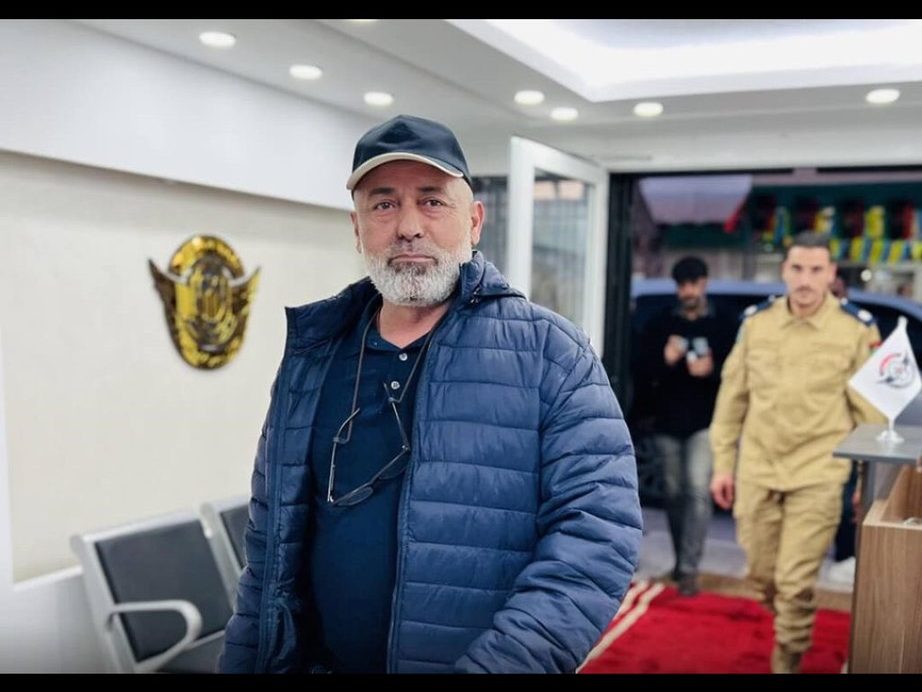
In Al-Bayda, economic strain and militia control persist, while Tripoli reels from violent clashes following the assassination of Abdel Ghani al-Kikli, a powerful militia leader. Allegations of Turkish involvement in the killing have sparked debate, highlighting the complex role of foreign powers in Libya’s turmoil.
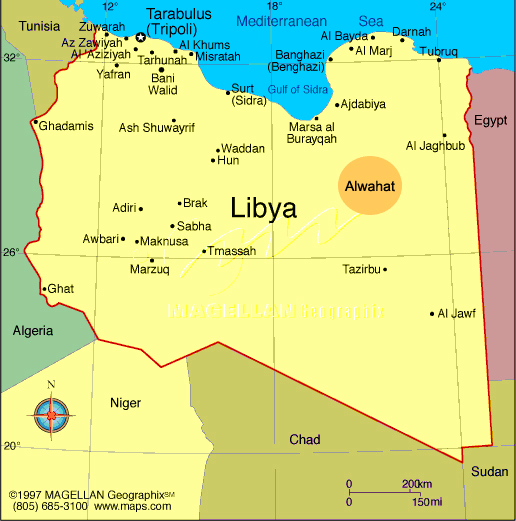
On Monday night, Tripoli descended into chaos after al-Kikli, head of the Stability Support Apparatus (SSA), was killed at the 444th Combat Brigade’s base in the capital’s Abu Salim district.

The SSA, aligned with the GNU, clashed with a coalition including the 444th Brigade, Misrata’s Joint Force, and others, with gunfire and explosions reported across southern neighbourhoods. At least six people were injured, and the GNU declared a state of emergency, urging residents to stay indoors.
Social media posts on X have claimed that Turkish-backed militant groups are engaged in a “civil war” in Tripoli, with some accusing Turkey of orchestrating al-Kikli’s assassination. These claims remain unverified, and Turkey’s foreign ministry has not issued a statement on the matter. However, the allegations reflect growing suspicion of Turkey’s role in Libya, where it has supported the GNU since 2020 through military advisors, drones, and Syrian mercenaries. Turkey’s intervention, approved by its parliament in January 2020, was pivotal in repelling Khalifa Haftar’s Libyan National Army (LNA) offensive on Tripoli, securing the GNU’s hold on the west.
In Al-Bayda, the situation is less volatile but no less precarious. The city, a stronghold of the eastern parliament and Haftar’s LNA, faces fuel shortages and rising prices, exacerbated by disputes over Libya’s central bank and oil revenues. Protests last week saw residents block roads, demanding basic services. “We’re tired of promises from politicians who control the oil but leave us with nothing,” said Omar, a shopkeeper in Al-Bayda. The LNA’s dominance in the east, including Al-Bayda, contrasts with Tripoli’s fragmented militia landscape, yet both regions suffer from Libya’s political stalemate.
Turkey’s Role: Stabilizer or Instigator?
Turkey’s involvement in Libya has been a double-edged sword.
Its support for the GNU, including training and drone strikes, shifted the balance against Haftar’s LNA in 2020, leading to a ceasefire. However, critics argue that Turkey’s deployment of Syrian fighters and arms shipments, some violating UN sanctions, has fueled instability. The 2023 Trafficking in Persons Report noted that Turkish-backed Syrian National Army factions used child soldiers in Libya, drawing international condemnation.
The claim that “everywhere the Turks go, war and chaos follow,” as voiced on X, oversimplifies a complex conflict. Libya’s chaos predates Turkish intervention, rooted in the 2011 overthrow of Muammar Gaddafi. Turkey’s actions align with its strategic interests, including maritime boundary agreements with the GNU and countering rival powers like the UAE and Russia, which back Haftar. Yet, the presence of Turkish-backed groups in Tripoli, including Misrata factions, has intensified militia rivalries, as seen in the recent clashes.
The assassination of al-Kikli, a GNU ally who defended Tripoli against Haftar, raises questions about internal power struggles. Reports suggest the killing followed “failed negotiations” with the 444th Brigade, led by Mahmoud Hamza, but no evidence directly links Turkey to the act. Al-Kikli’s SSA, accused by Amnesty International of war crimes and migrant abuses, was a polarizing force, potentially targeted by rivals within Tripoli’s militia ecosystem.
Al-Bayda’s Broader Context
In Al-Bayda, the LNA’s control limits overt violence, but the city is not immune to Libya’s woes.
The eastern government’s decision to close oilfields in August 2024, amid the central bank dispute, slashed national output, hitting Al-Bayda’s economy hard. Human trafficking remains a concern, with mass graves of migrants found in southern Libya, underscoring the region’s lawlessness.
Analysts warn that Libya’s dual crises—in Tripoli and the east—reflect a failure of governance. “Foreign powers like Turkey and Russia exploit Libya’s divisions, but the root issue is the lack of a unified state,” said Tarek Megerisi, a Libya expert at the European Council on Foreign Relations. “Al-Bayda and Tripoli are symptoms of the same disease.”
Historical Background: Libya Post-2011
Libya’s descent into chaos began with the 2011 Arab Uprising, when NATO-backed rebels overthrew Gaddafi. His death left a power vacuum, splitting the country by 2014 into two rival governments: the UN-backed administration in Tripoli and the eastern government in Tobruk, backed by Haftar’s LNA.
Al-Bayda became a key seat for the eastern parliament, while Tripoli became a battleground for militias.
Haftar’s 2019-2020 offensive on Tripoli, supported by Russia and the UAE, was repelled with Turkish aid, leading to a 2020 ceasefire and the GNU’s formation in 2021.
However, elections planned for 2021 never materialized, and the GNU’s legitimacy is contested by the east. Militias like the SSA and 444th Brigade dominate Tripoli, while the LNA controls Al-Bayda and eastern oil fields, perpetuating a stalemate.
Looking Ahead
The clashes in Tripoli and unrest in Al-Bayda signal a precarious moment for Libya.
The United Nations Support Mission in Libya (UNSMIL) has called for de-escalation, but dialogue remains elusive.
Turkey’s role, while stabilizing for the GNU, risks inflaming tensions if perceived as overreach. Unverified claims of its involvement in al-Kikli’s death could further polarize factions.
For residents of Al-Bayda and Tripoli, the cycle of violence and economic hardship persists. As Libya’s factions and their backers maneuver, the prospect of unity remains distant.



Leave a comment