
By [MEI Analysis Team], 18 May 2025
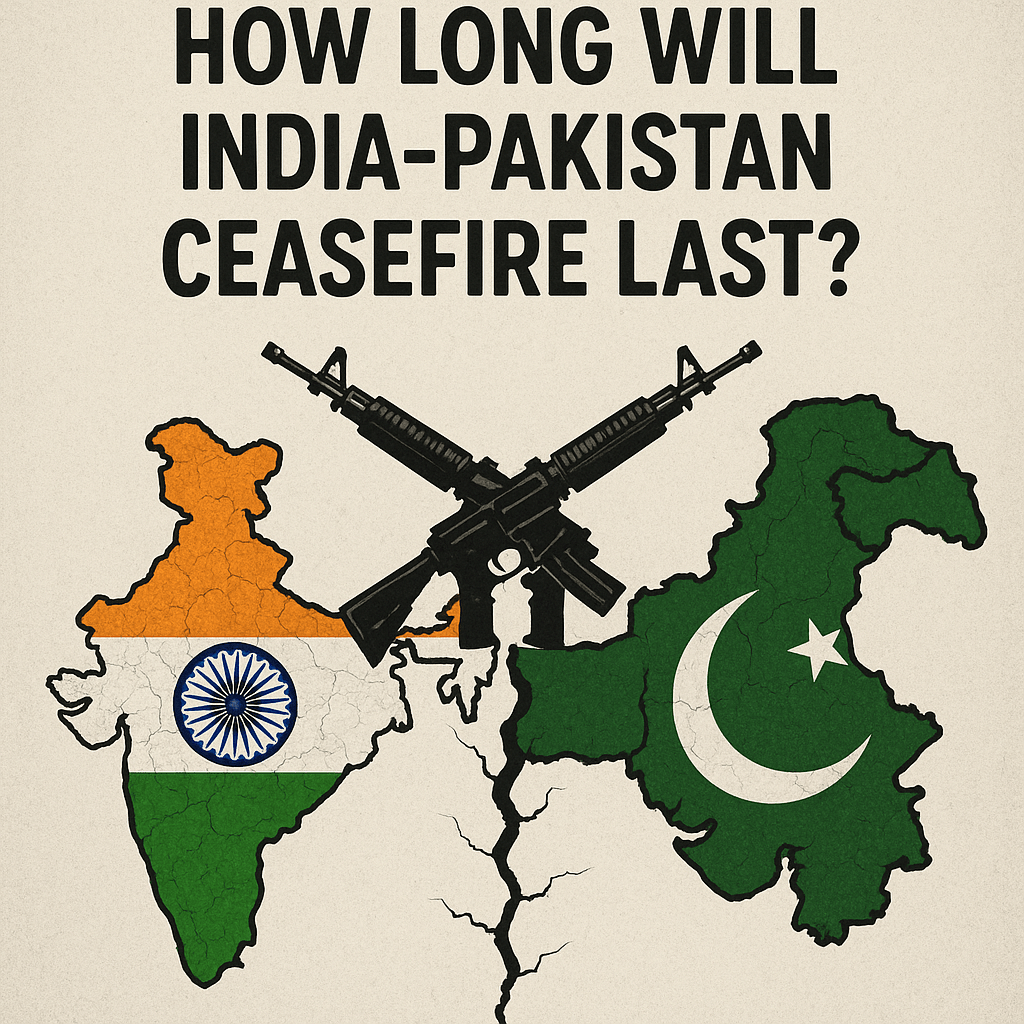
On 10 May 2025, India and Pakistan agreed to a ceasefire to halt four days of intense cross-border hostilities, sparked by India’s Operation Sindoor missile strikes and Pakistan’s retaliatory Operation Bunyan Marsoos.
The truce, brokered through US mediation, came after a deadly Pahalgam attack on 22 April killed 26 tourists, which India blamed on Pakistan-based militants. Recent unverified claims of 22 tunnels discovered along the India-Pakistan border, coupled with both nations dispatching diplomatic delegations to world capitals, signal ongoing mistrust.
This analysis assesses the ceasefire’s potential duration, drawing on historical patterns, key figures, and data, and offers policy recommendations to prevent escalation.
Background and Key Figures
The ceasefire, effective from 17:00 IST on 10 May 2025, was announced by US President Donald Trump and confirmed by India’s Foreign Secretary Vikram Misri and Pakistan’s Deputy Prime Minister and Foreign Minister Ishaq Dar.
India’s External Affairs Minister Subrahmanyam Jaishankar and Pakistan’s army chief General Asim Munir played pivotal roles in negotiations, alongside India’s National Security Advisor Ajit Doval and Pakistan’s NSA Asim Malik.
The Directors General of Military Operations (DGMOs)—India’s Lieutenant General Rajiv Ghai and Pakistan’s Major General Kashif Abdullah—formalized the agreement via a hotline call initiated by Pakistan at 15:35 IST on 10 May.
The ceasefire followed India’s 7 May Operation Sindoor, targeting nine alleged terrorist sites in Pakistan and Pakistan-administered Kashmir, in retaliation for the Pahalgam attack linked to The Resistance Front, an offshoot of Lashkar-e-Taiba. Pakistan denied involvement, launching Operation Bunyan Marsoos on 10 May, striking Indian military targets. Over 60 civilians and military personnel died across both sides, with Pakistan reporting 36 deaths and India 21 from shelling.
Hours after the truce, both nations accused each other of violations. India reported drone incursions in Jammu, Srinagar, Punjab, and Rajasthan, while Pakistan claimed Indian forces fired first.
Despite these breaches, the ceasefire held into 18 May, with DGMO talks on 12 May agreeing to troop reductions and no further aggression.
India uncovered 22 tunnels along the Line of Control (LoC) and international border in Jammu and Kashmir, Punjab, Rajasthan, and Gujarat, purportedly for terrorist infiltration or smuggling. These claims remain unconfirmed by India’s Border Security Force (BSF) or Pakistan’s military, raising concerns about misinformation.
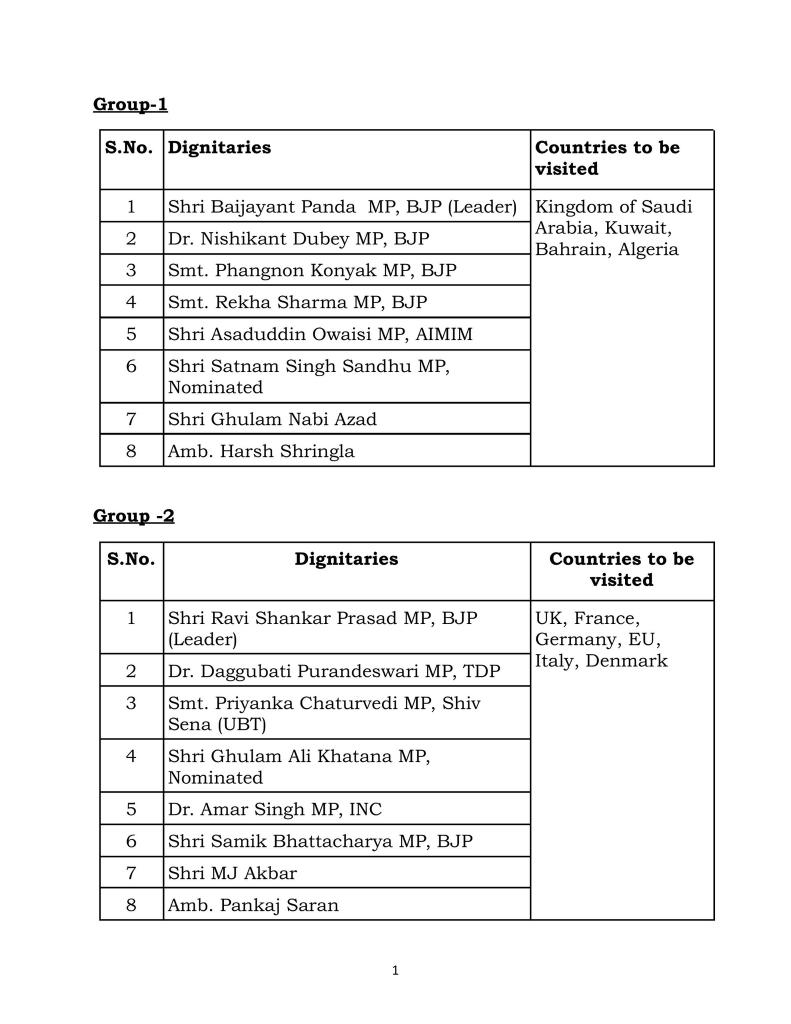
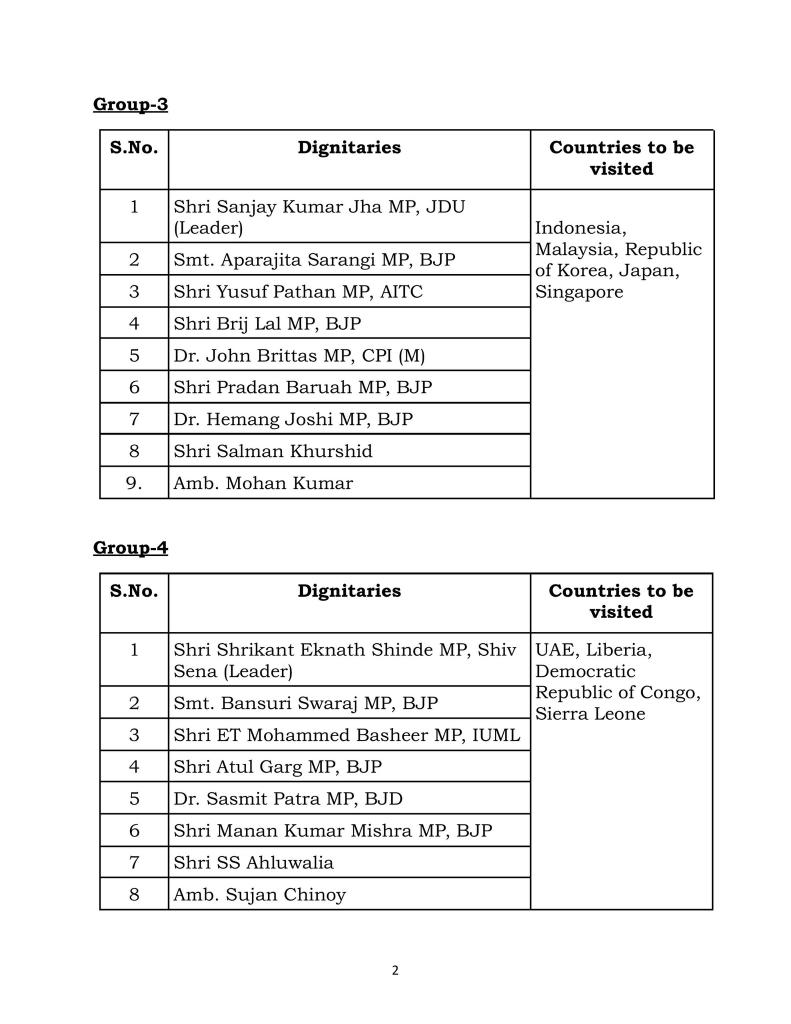
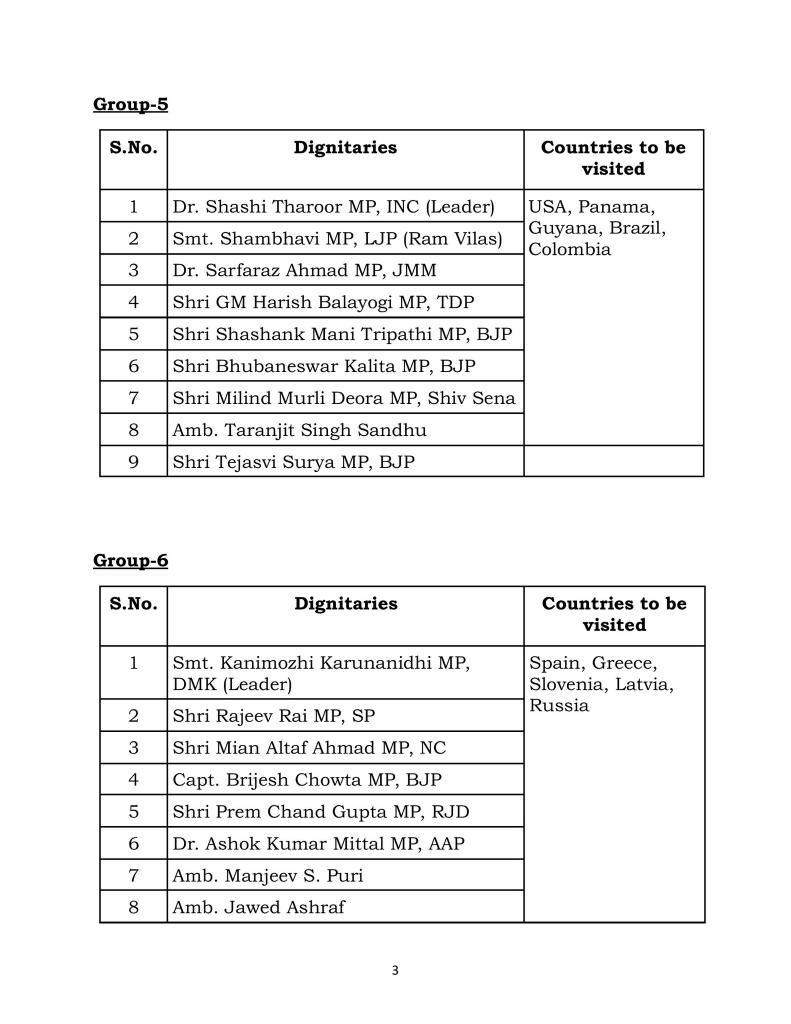
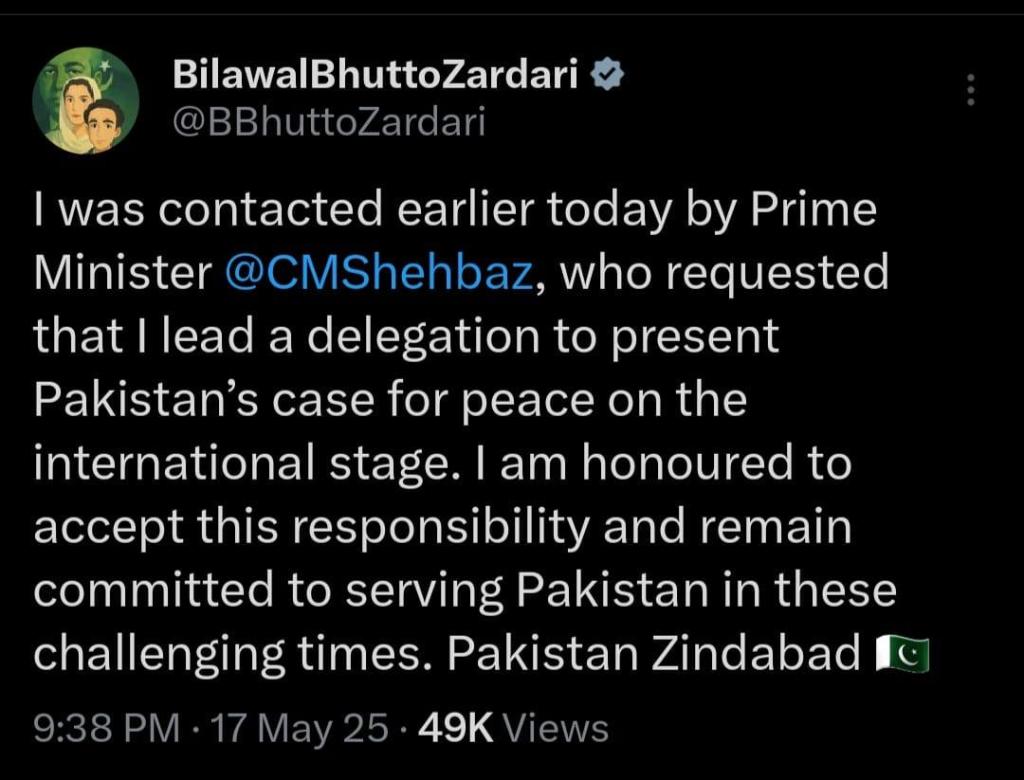
Both nations are now sending delegations to global capitals—India to assert its anti-terrorism stance, Pakistan to counter allegations—further complicating diplomatic relations.
Historical Context
India and Pakistan have a history of fragile ceasefires, often disrupted by Kashmir disputes and cross-border terrorism. Since 1947, four wars and numerous skirmishes have centered on Jammu and Kashmir, divided by the 740-km LoC. Past ceasefires include:
- 1948: UN-brokered truce split Kashmir after the first Indo-Pakistani War.
- 1966: Soviet-mediated Tashkent Declaration ended the 1965 war.
- 1999: US intervention resolved the Kargil War.
- 2003: A LoC ceasefire lasted until 2008 but collapsed after the Mumbai attacks.
Since 2012, the BSF has detected 14 tunnels along the LoC and international border, primarily in Jammu’s Samba and Kathua districts, used for militant infiltration or narcotics smuggling.
A 2020 tunnel in Samba was 150 meters long, equipped with ventilation. Drone incursions have surged, with Pakistan allegedly using Chinese-made drones to drop arms in Punjab. In 2023, India deployed ground-penetrating radars to counter tunnels, but gaps in fencing persist in riverine areas.
The 2025 ceasefire is precarious.
India suspended the Indus Waters Treaty (IWT) and trade post-Pahalgam, while Pakistan reciprocated with visa bans and airspace closures.
These measures remain in place, signaling unresolved grievances. Social media posts reflect polarized sentiment, with Indian users praising Operation Sindoor and Pakistani users celebrating their military’s restraint.
Prospects for Duration
Several factors influence the ceasefire’s longevity:
- Diplomatic Delegations: India’s outreach, led by Jaishankar, emphasizes Pakistan’s terrorism support, while Pakistan’s delegations, under Dar, seek to deflect blame and restore the IWT. Success in capitals like Washington, Beijing, or Riyadh could pressure both sides to maintain the truce, but competing narratives risk entrenching divisions.
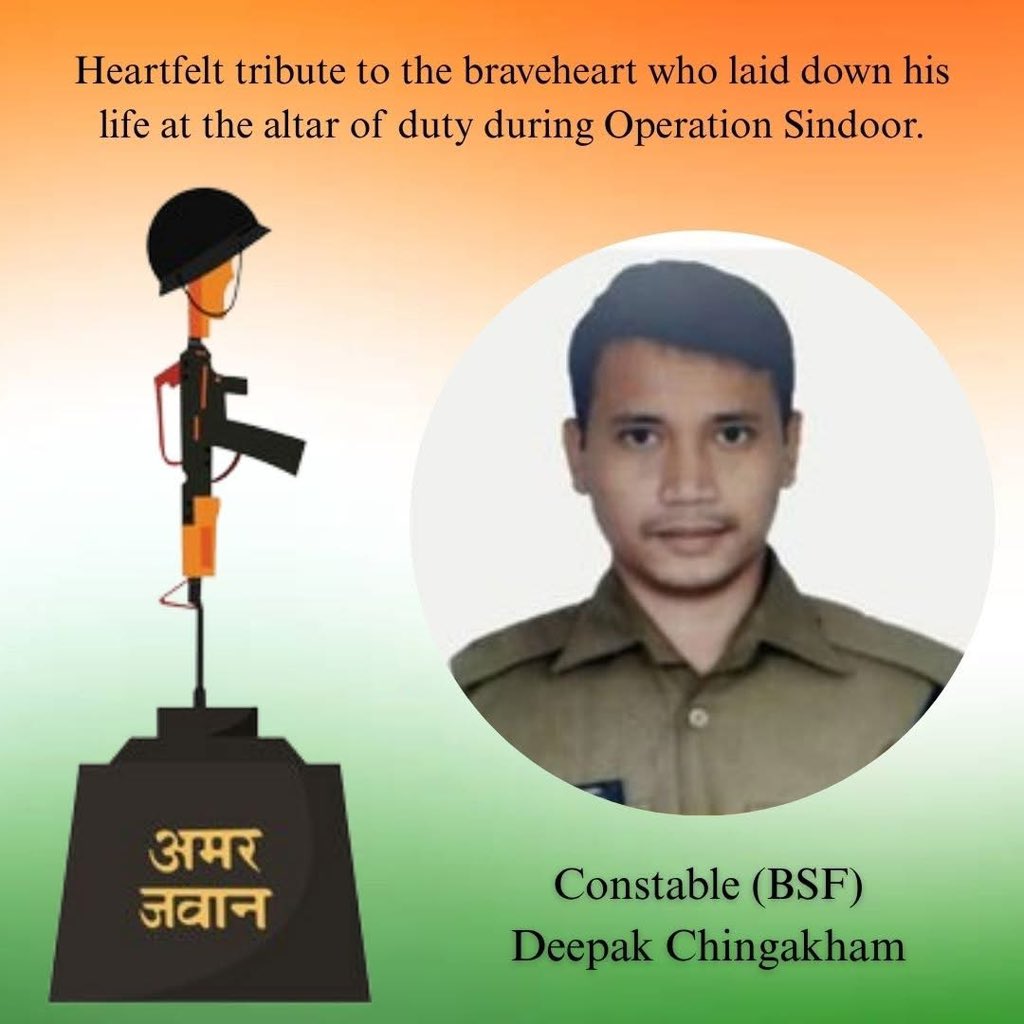
- Military Dynamics: DGMO talks on 12 May committed to troop reductions, but Pakistan’s 11 military deaths and India’s loss of personnel like BSF Constable Deepak Chingakham fuel domestic pressure. Indian PM Narendra Modi warned of strikes against terrorist hideouts if attacks resume, while Pakistan’s General Munir faces scrutiny to avoid appearing weak.
- Misinformation Risks: Claims about 22 tunnels or exaggerated ceasefire violations could inflame tensions. India’s Ministry of Information and Broadcasting and Pakistan’s foreign ministry have urged restraint, but social media remains a wildcard.
- External Mediation: US Secretary of State Marco Rubio and Vice President JD Vance facilitated the ceasefire, engaging Modi, Sharif, and military leaders. However, India denies third-party mediation, insisting DGMO talks were bilateral.
Historically, LoC ceasefires last months to years when backed by confidence-building measures but collapse under terrorist attacks or political shifts.
The 2003 truce endured five years, but the 2025 ceasefire faces immediate challenges from the IWT suspension and tunnel allegations. Without addressing POK or terrorism, experts predict a lifespan of 6-12 months, barring major incidents.
Policy Recommendations
To extend the ceasefire and prevent escalation, both nations and international actors should consider:
- Establish Joint Verification: Create a UN– or SAARC-supervised joint border monitoring committee to investigate tunnel claims and ceasefire violations. Regular DGMO hotlines should include BSF and Pakistan Rangers to ensure transparency.
- Bolster Surveillance: India should expand AI-based surveillance and anti-drone systems along the LoC and international border, while Pakistan cooperates to curb drone smuggling. Funding for ground-penetrating radars should be prioritized.
- Resume Diplomacy: Jaishankar and Dar should initiate backchannel talks in a neutral venue (e.g., UAE) to discuss IWT restoration and trade.
- Combat Misinformation: Both nations should partner with social media platforms and other online spaces to flag unverified tunnel or violation claims, promoting fact-checking to reduce polarization. Public campaigns can foster restraint.
- Protect Border Communities: Jammu and Kashmir Chief Minister Omar Abdullah plans more bunkers along the LoC. Both sides should install early warning systems and preposition humanitarian aid to minimize displacement.
The India-Pakistan ceasefire of 10 May 2025 offers a reprieve from nuclear risks, but its duration hinges on trust-building.
However, the Pahalgam attack, tunnel allegations, and IWT suspension signify unresolved grievances.



Leave a comment