
Published: 30 May 2025
In recent days, videos circulating on social media have shown crowds of Palestinians in southern Gaza taking to the streets, chanting slogans such as “We want to live” and directly criticising Hamas, the militant group that has governed the territory since 2007.
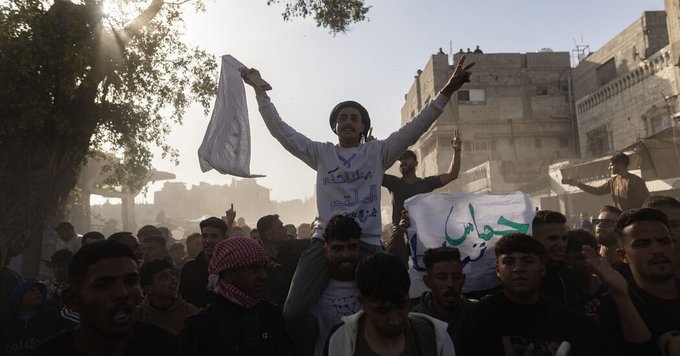
These protests, which have entered their third day, mark a rare public display of dissent against Hamas in a region where opposition has historically been suppressed.
But what is driving this wave of unrest, and why are Gazans risking their lives to speak out now?
A Deepening Humanitarian Crisis
The protests come against the backdrop of a catastrophic humanitarian situation in Gaza. Since Israel resumed its military offensive in March 2025, following a two-month ceasefire, the territory has faced severe shortages of food, water, medicine, and fuel. The Hamas-run health ministry reports that at least 54,084 people have been killed since the war began in October 2023, with over 3,900 deaths in the past 10 weeks alone. The United Nations has warned of a looming famine, with half a million people facing starvation.
The blockade imposed by Israel, which tightened significantly in March, has exacerbated these conditions.
While Israel recently allowed a limited amount of aid to enter, UN officials have described it as “a drop in the ocean” compared to Gaza’s needs. Crowds have stormed aid distribution sites, including those run by the controversial Gaza Humanitarian Foundation (GHF), highlighting the desperation among residents. Videos show people breaking into warehouses to take flour and food, driven by hunger and uncertainty about future supplies.
For many protesters, Hamas’s governance is increasingly seen as part of the problem. Social media posts from Gaza suggest that residents are frustrated with the group’s inability to secure consistent aid or alleviate suffering. One protester in Khan Younis was recorded saying, “Hamas brought this war, and it’s Gaza that’s paying the price.”
Anger at Hamas’s Leadership
The protests were reportedly sparked by a widely circulated interview with senior Hamas official Sami Abu Zuhri, which angered many Gazans.
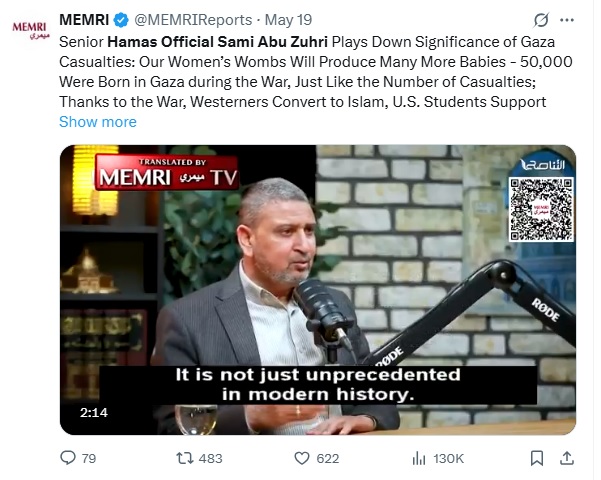
Activists and young people, some still clutching pots from community kitchens, took to the streets to express their discontent with Hamas’s leadership. The group’s strict control over dissent has historically stifled public criticism, but the scale of the current crisis appears to have emboldened residents.
Hamas has warned Palestinians against cooperating with the GHF’s aid distribution system, calling it a tool of “engineered starvation.” However, some Gazans see this as evidence of Hamas obstructing aid efforts. Reports of the group blocking access to distribution sites have fueled accusations that it prioritises its political and military objectives over the welfare of civilians.
The risks of protesting are significant.
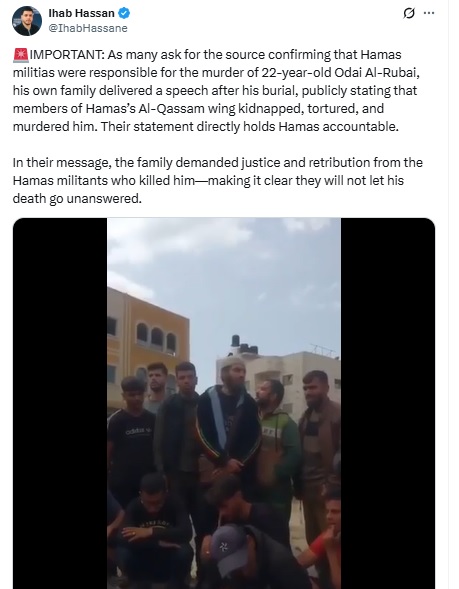
In March, 22-year-old Oday a-Rubai was abducted and tortured to death after participating in anti-Hamas protests in Gaza City. Other reports indicate that those who publicly oppose the group have faced beatings or worse. The fact that thousands are now openly chanting against Hamas suggests a breaking point has been reached.
A War-Weary Population
The war, triggered by Hamas’s attack on southern Israel on 7 October 2023, which killed 1,200 Israelis and took 251 hostages, has left Gaza’s 2.1 million residents exhausted. Israel’s military campaign, aimed at destroying Hamas and rescuing hostages, has displaced hundreds of thousands and leveled much of the territory.
For some Gazans, Hamas’s refusal to compromise in ceasefire negotiations has prolonged the conflict.
While the group recently agreed to a US-proposed ceasefire plan involving the release of 10 hostages, talks have stalled, with Israel and the US rejecting Hamas’s terms. Many residents, weary of the ongoing bombardment and blockade, are now openly calling for an end to the war, even if it means Hamas relinquishing power.
A Shift in Sentiment?
Assessing the scale of anti-Hamas sentiment is challenging, as Israel’s restrictions on international journalists entering Gaza limit firsthand reporting.
However, posts on X indicate growing frustration, with users describing “tens of thousands” marching in Khan Younis and other areas. These claims, while unverified, suggest a significant shift in public mood, particularly in southern Gaza, where Hamas’s control has traditionally been stronger.
The protests also reflect a broader sentiment shared by some outside Gaza.
Posts on X highlight solidarity with the protesters, with one user noting that their demands align with those of many Israelis who also seek an end to the war and the return of hostages. However, Hamas’s warnings against dissent and its reported threats against journalists covering the protests underscore the dangers of this moment.
What Next for Gaza?
The protests are a rare challenge to Hamas’s authority, but their impact remains uncertain.
The group’s grip on power, backed by its armed wing and security forces, is still formidable. Meanwhile, Israel’s ongoing military operations and the controversial GHF aid system, backed by the US and Israel but criticized by the UN, complicate the path to stability.
For now, the chants of “We want to live” echo a desperate plea for survival amid a war that has brought immense suffering. Whether these protests will force a reckoning within Hamas or lead to broader change in Gaza remains to be seen.
What is clear is that ordinary Gazans, caught between a devastating conflict and a leadership they increasingly question, are no longer staying silent.



Leave a comment