
Introduction
The UKMTO’s unprecedented advisory warning of “increased tensions within the region which could lead to an escalation of military activity having a direct impact on mariners” marks a rare instance of explicit British concern about Gulf maritime security.
Concurrently, the United States’ authorization of non-essential personnel evacuations from embassies in Baghdad, Kuwait, and Bahrain signals acute apprehension about imminent security threats.
These developments unfold against the backdrop of stalled nuclear negotiations, evolving regional alliances, and intensifying geopolitical competition between Washington and Tehran.
Theoretical Framework and Methodology
This analysis employs a multi-level approach drawing from neorealist international relations theory, security complex theory, and economic interdependence models.
The examination synthesizes primary diplomatic statements, intelligence assessments, and market reactions to construct a comprehensive understanding of the crisis’s multifaceted dimensions.
The study particularly emphasizes the role of perception management in international crises, as articulated by Robert Jervis’s work on misperception and international politics.
The Nuclear Diplomacy Impasse: Structural Causes and Immediate Triggers
Trump Administration’s Evolving Strategy
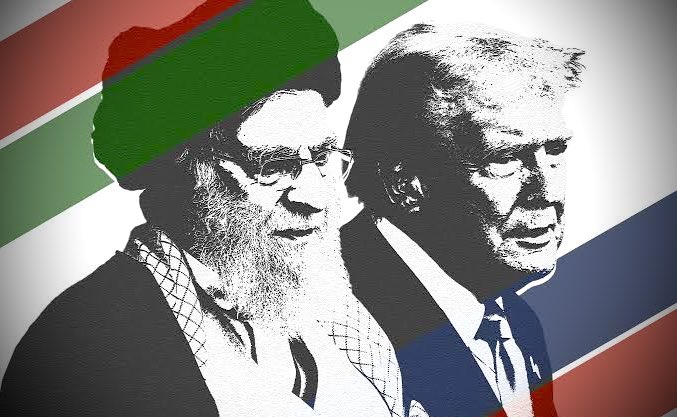
The current crisis emerges from the fundamental incompatibility between the Trump administration’s “maximum pressure” approach and Iran’s strategic patience doctrine. Iranian President Masoud Pezeshkian’s declaration that “we are not seeking war, but we will stand strong against any aggression” reflects Tehran’s calculated positioning, while President Trump’s assertion that “if they don’t make a deal, there will be…” suggests an escalatory trajectory in U.S. rhetoric.
The diplomatic landscape has been further complicated by Gulf leaders’ direct communication to Trump opposing strikes on Iran’s nuclear program, urging him to “hold Netanyahu back” while supporting his negotiation efforts.
This represents a significant evolution in regional dynamics, with traditional U.S. allies in the Gulf Cooperation Council (GCC) demonstrating greater independence in their strategic calculations.
The Israeli Variable and Regional Deterrence
Israel’s potential for unilateral action against Iranian nuclear facilities continues to serve as a critical wild card in regional calculations.
The strategic ambiguity surrounding Israeli intentions creates what Thomas Schelling termed a “threat that leaves something to chance,” compelling both the United States and Iran to prepare for scenarios neither may desire. This dynamic has been particularly acute following reports of heightened Israeli rhetoric regarding preemptive strikes.
Britain’s Maritime Security Assessment: Intelligence and Strategic Implications
UKMTO’s Unprecedented Warning
The UKMTO’s warning to mariners operating in the Arabian Gulf, Gulf of Oman, and Strait of Hormuz, citing “heightened regional tensions that could affect commercial shipping,” represents a departure from standard maritime advisories. The specificity of the warning—encompassing the entire Gulf maritime complex—suggests intelligence indicating potential Iranian naval or proxy activities targeting commercial vessels.
The timing and scope of the British advisory reflects several strategic considerations:
- Intelligence Coordination: The warning likely stems from shared intelligence within the Five Eyes framework, indicating credible threats to maritime infrastructure
- Economic Protection: Britain’s substantial trade relationships with Gulf states necessitate proactive maritime security measures
- Alliance Solidarity: The advisory reinforces transatlantic coordination on regional security challenges
Historical Context of British Gulf Engagement
Britain’s contemporary role in Gulf security builds upon centuries of maritime presence, from the 19th-century Trucial States system to modern naval partnerships.
The Royal Navy’s continued presence in Bahrain and participation in multinational maritime security operations underscores London’s enduring strategic interests in maintaining freedom of navigation through critical chokepoints.
United States Embassy Evacuations: Risk Assessment and Strategic Signaling
Diplomatic Risk Calculus
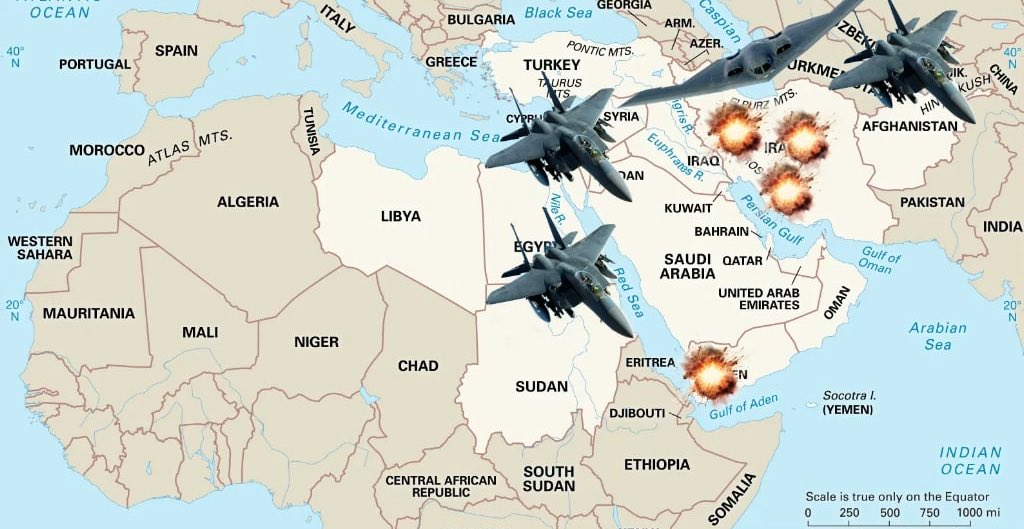
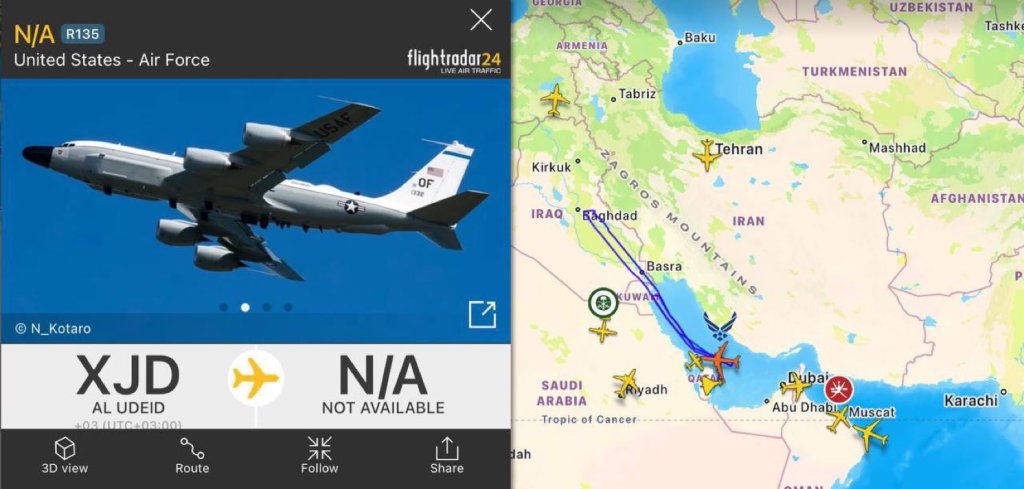
The State Department’s decision to authorize evacuations from Baghdad, Kuwait, and Bahrain embassies represents a carefully calibrated response to threat assessments. The selective nature of these evacuations—notably excluding Qatar’s Al Udeid Air Base—suggests intelligence pointing to specific vulnerabilities rather than generalized regional threats.
Iraqi government officials have downplayed the evacuation necessity, with senior diplomatic sources stating that “no specific threats were recorded against diplomatic missions.” However, Baghdad’s limited control over Iran-aligned militias such as Kataib Hezbollah and Asa’ib Ahl al-Haq complicates these assurances.

Iran’s Deterrent Messaging
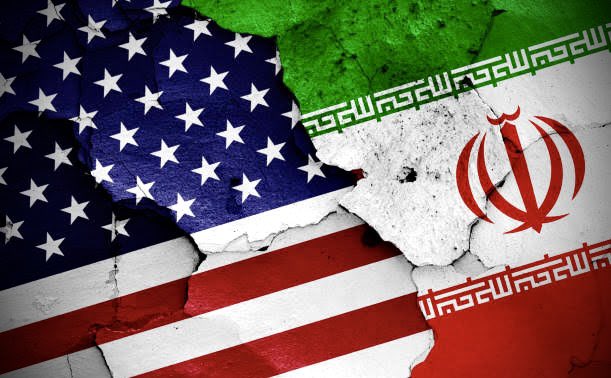
Iranian Defense Minister General Aziz Nasirzadeh’s warning that Tehran would target U.S. bases if hostilities escalate represents a classic deterrent communication.
This statement, consistent with Iran’s doctrine of asymmetric warfare, signals Tehran’s readiness to expand any conflict beyond bilateral U.S.-Iranian dynamics to encompass regional allies and infrastructure.
The Iranian approach reflects what Alexander George termed “coercive diplomacy”—the use of threatened force to influence adversary behavior while avoiding actual conflict escalation.
Iranian Supreme Leader Ayatollah Khamenei’s characterization of Trump’s Gulf visit as a “performance to project strength” further illustrates Tehran’s strategy of delegitimizing U.S. regional influence.
Economic Dimensions: Energy Security and Market Volatility
Oil Market Response and Strategic Implications
The 4% spike in oil prices following the evacuation announcements reflects market sensitivity to Gulf instability.
The Strait of Hormuz’s role as a transit route for approximately 20% of global oil supplies makes any regional conflict scenario economically catastrophic.
Current market analysis suggests that sustained tensions could push Brent crude beyond $100 per barrel, with cascading effects on global inflation and economic recovery.
Energy Infrastructure Vulnerabilities
The Gulf’s energy infrastructure presents multiple vulnerabilities that Iran could exploit in escalatory scenarios:
- Chokepoint Interdiction: Iran’s demonstrated capability to disrupt Strait of Hormuz traffic through naval mines or missile attacks
- Cyber Warfare: Potential attacks on Saudi and UAE energy facilities’ digital infrastructure
- Proxy Operations: Use of Iraq-based militias to target pipeline infrastructure and refinery facilities
Regional Actors and Evolving Alliance Structures
Gulf Cooperation Council Dynamics
Recent analysis suggests that “Saudi leaders now consider Iran to be a counterbalance more than a threat,” indicating a fundamental shift in regional threat perceptions.
This evolution reflects Saudi Crown Prince Mohammed bin Salman’s pragmatic approach to regional security, prioritizing economic development over ideological confrontation.
The UAE’s simultaneous pursuit of economic ties with Iran while maintaining security partnerships with the United States exemplifies the complex balancing act Gulf states now navigate.
This hedging strategy reflects what Steven Walt terms “omnibalancing”—states balancing against both external and internal threats simultaneously.
Iraq’s Precarious Position
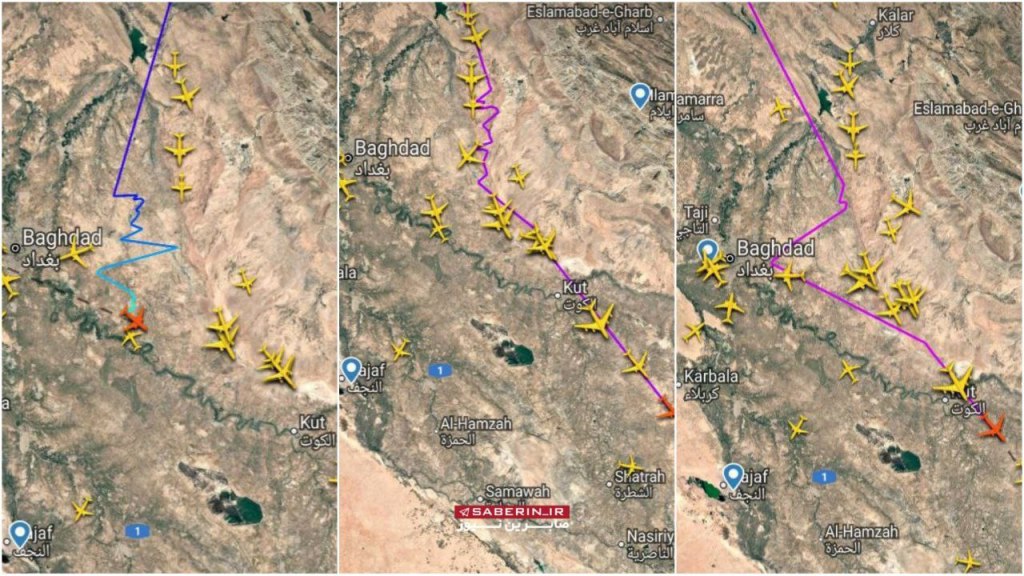
Iraq’s government faces the acute challenge of maintaining sovereignty while hosting both U.S. forces and Iran-aligned militias. Prime Minister Mohammed Shia Al-Sudani’s pledge to protect foreign missions must be evaluated against his government’s limited capacity to control paramilitaries nominally integrated into state security forces.
The December 2023 mortar attack on the U.S. Embassy’s Green Zone, attributed to Kataib Hezbollah, demonstrates the persistent threat environment.
These attacks reflect what James Fearon describes as “commitment problems” in interstate relations—the difficulty of credibly promising restraint when control over relevant actors is limited.
Global Power Competition and Third-Party Mediation
Chinese and Russian Roles
China’s approach to Gulf crises reflects its “growing interest in energy” while seeking to “balance diplomatic relations with Saudi Arabia and Iran to serve its broader strategic interests.”
Beijing’s Belt and Road Initiative investments in regional infrastructure create strong incentives for conflict prevention and mediation.
Russia’s position remains more complex, with Moscow maintaining defense cooperation with Iran while seeking expanded ties with Gulf Arab states.
Russian Foreign Minister Sergey Lavrov’s calls for regional dialogue reflect Moscow’s interest in preventing U.S.-Iranian conflict that could disrupt global energy markets and strengthen American regional presence.
European Union Mediation Efforts
The European Union’s continued commitment to the Joint Comprehensive Plan of Action (JCPOA) framework positions European powers as potential mediators.
French President Emmanuel Macron’s diplomatic engagement with both Tehran and Washington reflects European interests in preventing regional conflict that would exacerbate energy security challenges and refugee flows.
Cyprus: Strategic Asset in Crisis Management
Historical Precedent and Current Capabilities
Cyprus’s role during the 2006 Lebanon War, facilitating the evacuation of thousands of international nationals, establishes its credentials as a regional safe haven. The island’s EU membership, combined with its proximity to Middle Eastern conflict zones, makes it an ideal staging ground for humanitarian operations.
Prime Minister Narendra Modi’s June 2025 visit to Cyprus, strengthening Indo-Cypriot ties, adds another dimension to potential evacuation coordination. India’s substantial expatriate population in the Gulf region could require evacuation assistance if regional conflict escalates.
Strategic Positioning for Western Operations
Cyprus’s strategic value extends beyond evacuation facilitation to encompass intelligence gathering, logistical support, and diplomatic mediation.
The island’s neutral positioning between NATO members Turkey and Greece, combined with its EU status, provides diplomatic flexibility that could prove valuable in crisis de-escalation efforts.
Policy Recommendations and Strategic Options
Immediate De-escalation Measures
- Backchannel Diplomacy: Leverage Oman’s established mediation role to facilitate direct U.S.-Iranian communication
- Maritime Security Enhancement: Expand Operation Prosperity Guardian to include Gulf waters while maintaining defensive posturing
- Regional Dialogue Framework: Establish multilateral forum including GCC states, Iraq, and Iran to address security concerns
Medium-term Strategic Adjustments
- Nuclear Negotiations Reset: Public opinion data suggesting American support for “a deal with Iran that limits its nuclear capabilities to peaceful ends” provides domestic political space for renewed diplomacy
- Energy Security Diversification: Accelerate strategic petroleum reserve releases and alternative supply route development
- Alliance Restructuring: Adapt U.S. regional partnerships to accommodate evolving Gulf state threat perceptions
Long-term Regional Architecture
Consider Trump’s interest in “big, out-of-the-box deals” to pursue “denuclearization of the entire Middle East” as a framework for comprehensive regional security arrangements. This approach would require unprecedented diplomatic coordination but could address fundamental security dilemmas driving current tensions.
Scenario Analysis and Probability Assessments
Scenario One: Limited Military Exchange (Probability: 35%)
A targeted Israeli or U.S. strike on Iranian nuclear facilities, followed by Iranian retaliation against Gulf infrastructure and U.S. bases. This scenario would likely result in oil price spikes above $120 per barrel and require extensive diplomatic mediation to prevent escalation.
Scenario Two: Diplomatic Breakthrough (Probability: 20%)
Renewed nuclear negotiations mediated by Gulf states or European powers, leading to interim agreements on uranium enrichment limits. This outcome would require significant concessions from both Washington and Tehran but could stabilize regional dynamics.
Scenario Three: Prolonged Tension Without Direct Conflict (Probability: 40%)
Continued proxy attacks, maritime incidents, and diplomatic tensions without major military confrontation. This scenario would sustain elevated oil prices and require ongoing security presence but avoid catastrophic escalation.
Scenario Four: Regional War (Probability: 5%)
Full-scale military confrontation involving Iran, Israel, the United States, and Gulf states. This low-probability, high-impact scenario would devastate global energy markets and require massive international intervention.
Conclusion
The June 2025 Gulf crisis represents a critical juncture in regional security dynamics, driven by the intersection of nuclear diplomacy, proxy conflicts, and great power competition.
The coordinated British and American security measures reflect genuine concern about escalatory potential while serving strategic signaling functions.
The crisis’s resolution will likely depend on several key factors: the Trump administration’s willingness to engage in substantive nuclear negotiations, Israel’s restraint regarding unilateral military action, and Iran’s capacity to control proxy forces while maintaining strategic patience.
The evolving positions of Gulf Arab states, demonstrated through their opposition to military strikes on Iran, suggest potential diplomatic pathways that did not exist during previous crisis periods.
The international community’s response—particularly the roles of China, Russia, and European powers—will be crucial in either facilitating de-escalation or managing the consequences of military confrontation. Cyprus’s strategic positioning and India’s regional interests add complexity to potential crisis management scenarios.
Ultimately, the current crisis underscores the urgent need for comprehensive regional security architecture that addresses nuclear proliferation concerns while accommodating legitimate security interests of all regional actors. The alternative—continued escalation toward military confrontation—presents unacceptable risks to global economic stability and international security.
The coming weeks will test whether diplomatic wisdom can prevail over the logic of strategic competition, with implications extending far beyond the Persian Gulf to encompass global energy security, nuclear non-proliferation norms, and the broader international order.



Leave a comment