

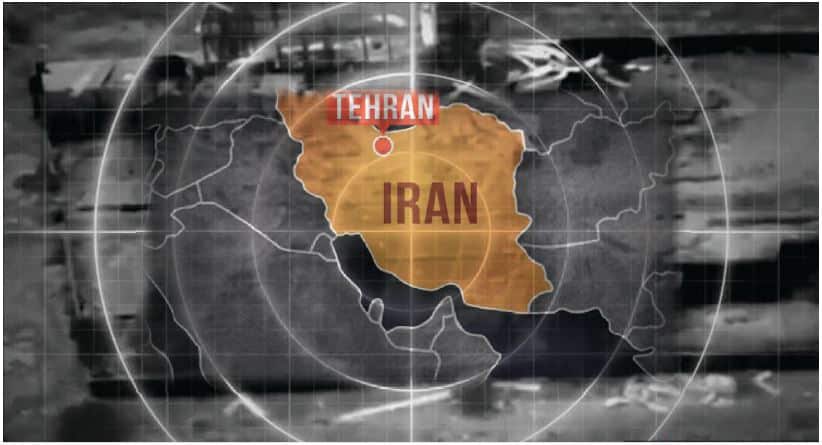
On June 13, 2025, Israel launched a series of airstrikes targeting Iranian nuclear facilities, missile production sites, air defense systems, and military command structures.
Described as a “pre-emptive strike” by Israeli officials, the operation, codenamed “Rising Lion,” aimed to disrupt Iran’s nuclear program and military capabilities. The attacks resulted in significant damage to key sites, including the Natanz nuclear enrichment complex, and killed several high-ranking Iranian military officials, including Brig. Gen. Mohammad Bagheri and Maj. Gen. Hossein Salami.
According to the Israel Defense Force, over 200 aircraft participated in five waves of strikes against Iran, dropping over 330 munitions on targets ranging from nuclear facilities, military bases, missile sites, military and political leadership, as well as nuclear scientists.
Oil prices surged more than 9% on Friday, hitting their highest in almost five months after Israel struck Iran, dramatically escalating tensions in the Middle East and raising worries about disrupted oil supplies.
Iran reported civilian casualties and limited structural damage, while vowing a “harsh” retaliation. The strikes escalated tensions in the Middle East, raising fears of a broader regional conflict.
Iran reported significant civilian casualties and infrastructure damage while vowing a “harsh” retaliation that could trigger the closure of the Strait of Hormuz, through which 30% of the world’s seaborne oil trade moves through the strait, according to JPMorgan. The strikes have escalated regional tensions to unprecedented levels, raising fears of a broader Middle East conflict with global economic implications.
Meanwhile, the Israeli military says it is moving large numbers of forces into the occupied West Bank and placing all Palestinian towns under lockdown “until further notice.”
➤ A full siege has been declared across the territory.
➤ Israeli forces are also raising alert levels across all borders.
➤ In the north, troops are being mobilized to defend or attack if needed, according to the Times of Israel.



Context
The Israeli strikes followed months of heightened tensions between Israel and Iran, exacerbated by:
- Previous Iranian Attacks: Iran launched missile barrages against Israel on April 13, 2024, and October 1, 2024, in retaliation for Israeli strikes on Iranian and allied targets, including the assassination of Hamas leader Ismail Haniyeh in Tehran on July 31, 2024, and Hezbollah leader Hassan Nasrallah in Beirut on September 27, 2024.
- Nuclear Concerns: Israel has long viewed Iran’s nuclear program as an existential threat. Reports from the International Atomic Energy Agency (IAEA) indicated Iran was enriching uranium to near-weapons-grade levels, prompting Israeli fears of an imminent nuclear capability.
- Proxy Conflicts: The ongoing Gaza war and Israeli operations against Iranian-backed groups like Hezbollah and Hamas weakened Iran’s regional influence, creating a perceived window for Israel to act.
- U.S. Diplomacy: The Trump administration was engaged in negotiations with Iran to limit its nuclear program, but Israel expressed skepticism about the deal’s effectiveness, leading to unilateral action.
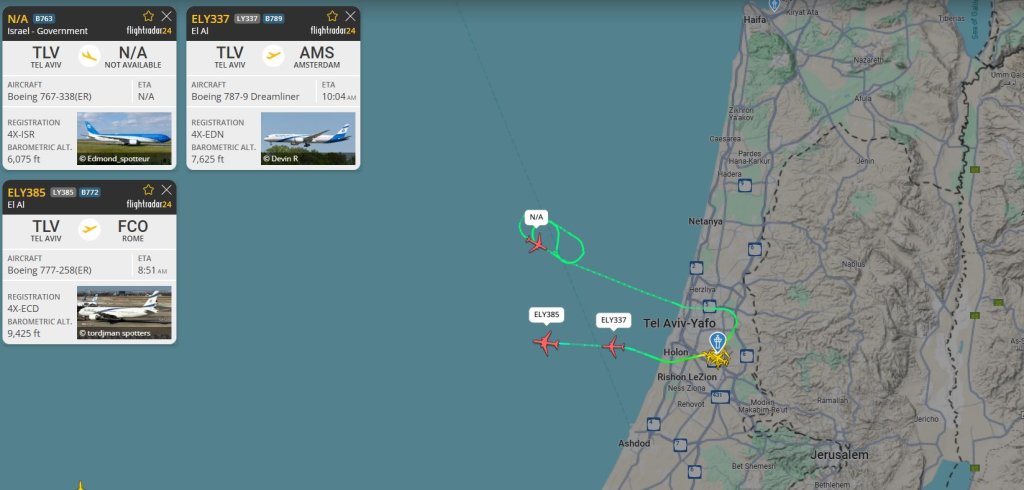
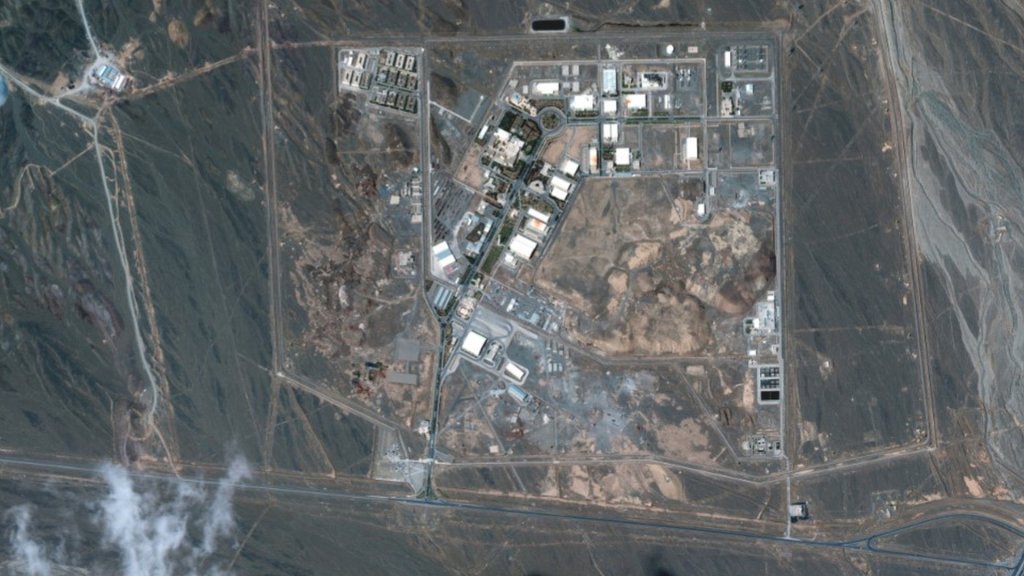
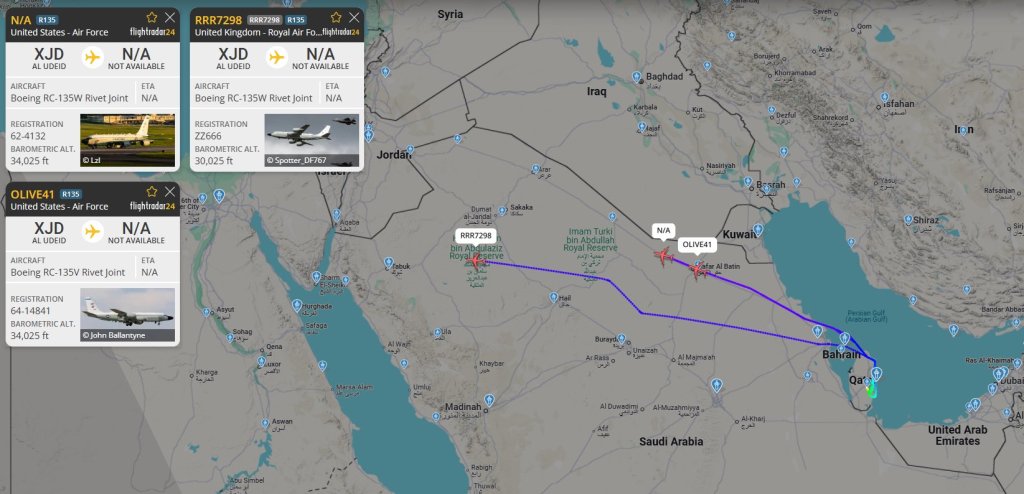
Locations Targeted
Detailed Target Analysis
Tehran Province Strikes
Natanz Nuclear Enrichment Complex
- Primary Target: Iran’s flagship uranium enrichment facility
- Capacity: 50,000 centrifuges across multiple underground halls
- Strategic Importance: Produces 60% enriched uranium using advanced IR-6 centrifuges
- Damage Assessment: Verified footage showed massive explosions at 4:18 a.m. local time, with secondary explosions suggesting cascade hall damage
- Production Impact: Estimated 6-12 month setback to Iran’s enrichment program
Parchin Military Complex
- Function: Missile development and potential nuclear weapons research
- Size: 43 square kilometers with multiple underground facilities
- Targeted Systems: Kheibar Shekan and Fattah-1 ballistic missile production lines
- Casualties: Estimated 50+ Iranian military personnel killed
Fordow Enrichment Facility
- Location: Buried 90 meters underground near Qom
- Capacity: 2,784 centrifuges in reinforced chambers
- Attack Method: Bunker-busting munitions targeting ventilation systems
- Damage: Partial compromise of underground facilities
Mehrabad Airbase
- Assets: F-14 Tomcats, F-4 Phantoms, transport aircraft
- Infrastructure: Runways, hangars, fuel storage facilities
- Damage: Multiple aircraft destroyed, runway cratering reported
Residential Areas (IRGC-Linked)
- Targeted Neighborhoods: Qeytariyeh, Niavaran, Chitgar, Narmak, Saadatabad, Andarzgo, Sattarkhan, Mahallati, Chamran, Kamraniyeh, Farahzadi, Azgol, Marzdaran, Pasdaran, Nobaniad
- Casualties: Estimated 200+ civilian casualties, including IRGC families
- Strategic Rationale: Targeting IRGC command structure and their support networks
Regional Target Distribution
Khorramabad Missile Production Complex
- Facility Type: Iran’s largest missile production site
- Products: Fateh-110, Zolfaghar, Sejjil ballistic missiles
- Damage: Complete destruction of main production halls
- Economic Impact: $2.3 billion in infrastructure damage
Khuzestan Province
- Targets: Ahvaz airbase, Abadan oil refinery protective systems
- Air Defense: Destruction of S-300PMU2 and Bavar-373 systems
- Strategic Importance: Protection of oil infrastructure
Damascus, Syria (Concurrent Operations)
- Targets: Damascus International Airport, Mezzeh Airbase
- Rationale: Disrupting Iranian logistics corridor
- Impact: Severing Syrian-Iranian military cooperation
Weapons Systems and Military Capabilities
Israeli Arsenal Deployed
Aircraft Inventory:
- F-35I Adir: 12 aircraft (stealth penetration roles)
- F-15I Ra’am: 24 aircraft (long-range strike missions)
- F-16I Sufa: 36 aircraft (escort and suppression roles)
- Reconnaissance: 8 unmanned systems for battle damage assessment
Precision Munitions:
- Rafael Popeye Turbo ALCM: 50+ cruise missiles (1,500 km range)
- Delilah AL cruise missiles: 100+ units (250 km range)
- GBU-28 bunker busters: 24 units (provided by U.S. military assistance)
- SPICE 2000 precision bombs: 200+ units
Support Systems:
- Boeing 707 Re’em tankers: 4 aircraft for aerial refueling
- Gulfstream G550 CAEW: 2 aircraft for intelligence and electronic warfare
- EL/M-2080 Green Pine radars: Long-range early warning
Iranian Defensive Capabilities (Pre-Strike)
Air Defense Network:
- S-300PMU2 systems: 4 batteries (destroyed)
- Bavar-373 systems: 2 batteries (heavily damaged)
- Tor-M1 systems: 15 batteries (40% destroyed)
- Mersad systems: 20 batteries (60% destroyed)
Air Force Assets:
- Operational Aircraft: 140 combat aircraft (pre-strike)
- F-14A Tomcats: 24 aircraft (8 destroyed)
- F-4E Phantoms: 32 aircraft (12 destroyed)
- MiG-29 Fulcrums: 35 aircraft (10 destroyed)
Other Regions
- Khorramabad: The IRGC’s largest missile production site was heavily targeted, with significant damage reported.
- Khuzestan and Ilam Provinces: Military sites, including air defense systems, were hit, with Iranian reports confirming limited damage.
- Bid Kaneh: A rural area hosting missile development sites linked to the IRGC was struck, with verified footage showing smoke rising.
- Karaj, Kermanshah, Zanjan, and Mashhad: Explosions were reported near military facilities, though specific targets remain unconfirmed.
- Damascus, Syria: Concurrent strikes targeted Syrian airbases, suggesting a broader operation against Iran’s regional allies.
Damage Assessment
The extent of damage varies by source, with Israel claiming significant success and Iran downplaying the impact. Key findings include:
Nuclear Facilities
- Natanz: Smoke and flames indicate damage to the enrichment complex, potentially setting back Iran’s nuclear program. However, Iran’s fortified underground facilities may have limited the impact.
- Other Nuclear Sites: Israel claimed to have targeted “main enrichment facilities” and “leading nuclear scientists,” but no specific evidence confirms the latter.
Military Infrastructure
- Missile Production Sites: The Khorramabad site and Parchin complex suffered significant damage, potentially disrupting Iran’s ability to produce ballistic missiles like the Fattah-1 and Kheibar Shekan.
- Air Defense Systems: Damage to radars and S-300 systems in Tehran, Khuzestan, and Ilam weakened Iran’s defensive capabilities.
- Airbases and Command Centers: Mehrabad Airbase and Armed Forces headquarters sustained damage, with fires reported. The loss of key generals disrupted Iran’s chain of command.
Civilian Impact
- Casualties: Iranian state media reported civilian casualties in Tehran, though exact numbers are unconfirmed. One civilian death was noted in earlier strikes on October 26, 2024, suggesting a pattern of collateral damage.
- Structural Damage: Residential areas near IRGC complexes, such as Shahid Mahallati and Farahzadi Boulevard, saw damaged buildings and debris.
- Disruption: Airspace over Iran, Israel, and Iraq was closed, with airlines canceling flights.
Iranian Military Losses
- Brig. Gen. Mohammad Bagheri: Commander-in-chief of Iran’s Armed Forces, killed in a targeted strike.
- Maj. Gen. Hossein Salami: Head of the IRGC, killed in Tehran.
- Other Senior Officials: Two additional top generals were reported killed, dealing a significant blow to Iran’s military leadership.
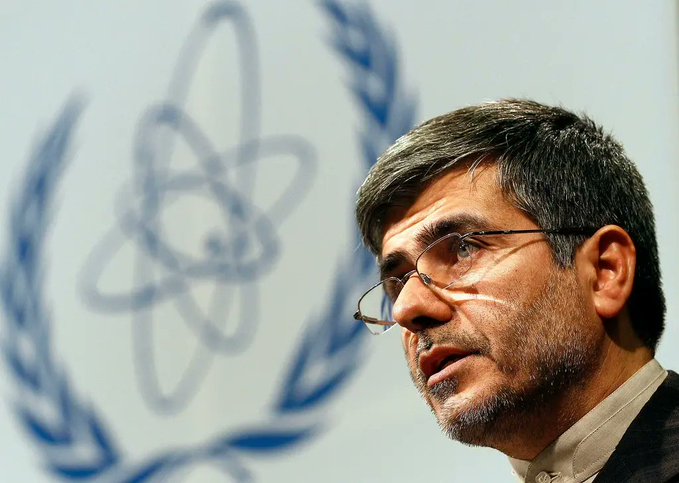
Initial reports indicate 6 Iranian nuclear scientists, including Abdolhamid Minouchehr, Ahmadreza Zolfaghari, Seyed Amir Hossein Feghhi, Matlabizadeh, Mohammad Mahdi Tehranchi, and Fereydoon Abbasi, were killed in Israeli attacks.
Iranian Response
- Official Statements: Supreme Leader Ali Khamenei called for a response that should neither be “exaggerated nor downplayed,” signaling a calculated retaliation.
- Military Preparations: On October 31, 2024, Khamenei ordered military officials to prepare a “harsh” response, potentially involving ballistic missiles.
- Air Defense Claims: Iran claimed most Israeli projectiles were intercepted, but reports of S-300 destruction contradict this.
- Regional Allies: Iran may coordinate with proxies like Hezbollah, the Houthis, or Iraqi militias, though their capabilities are weakened.


International Reactions
- United States: U.S. officials confirmed no direct involvement but expressed support for Israel’s self-defense. The U.S. withdrew diplomats from Iraq and authorized the departure of military families from the region, anticipating Iranian retaliation.
- Jordan: Declared it would not allow airspace violations, reflecting its neutral stance after intercepting Iranian missiles in 2024.
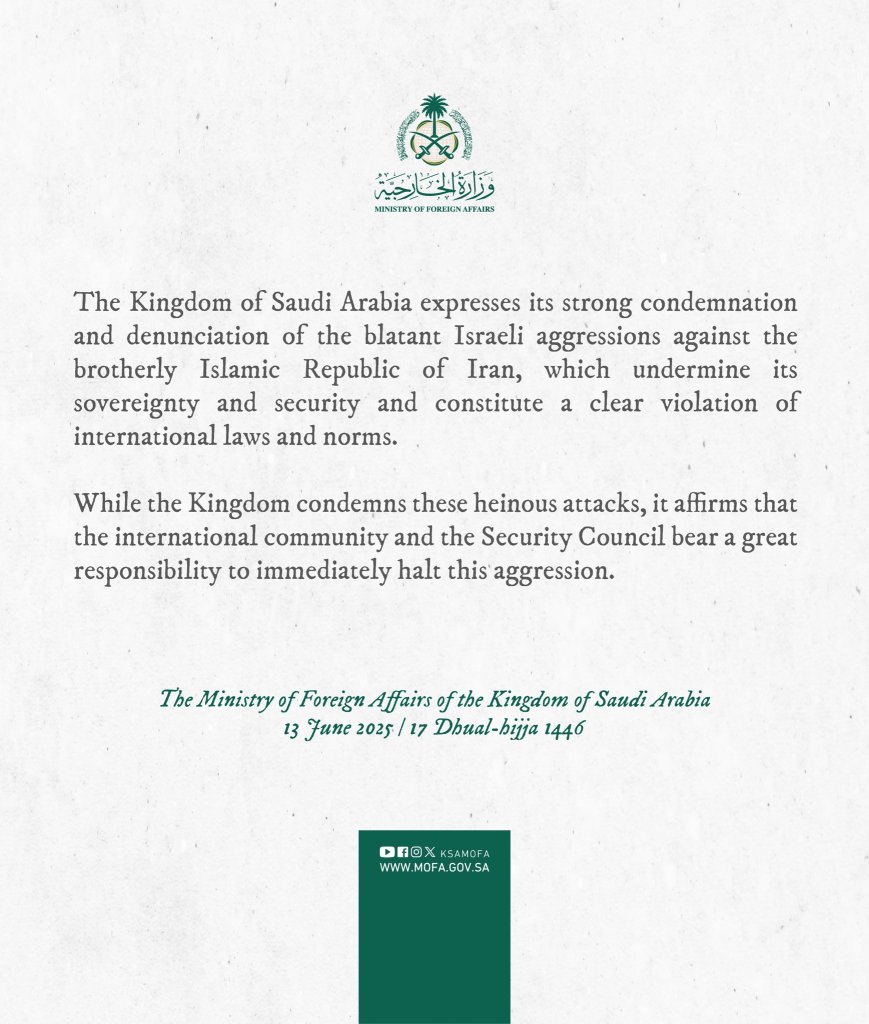
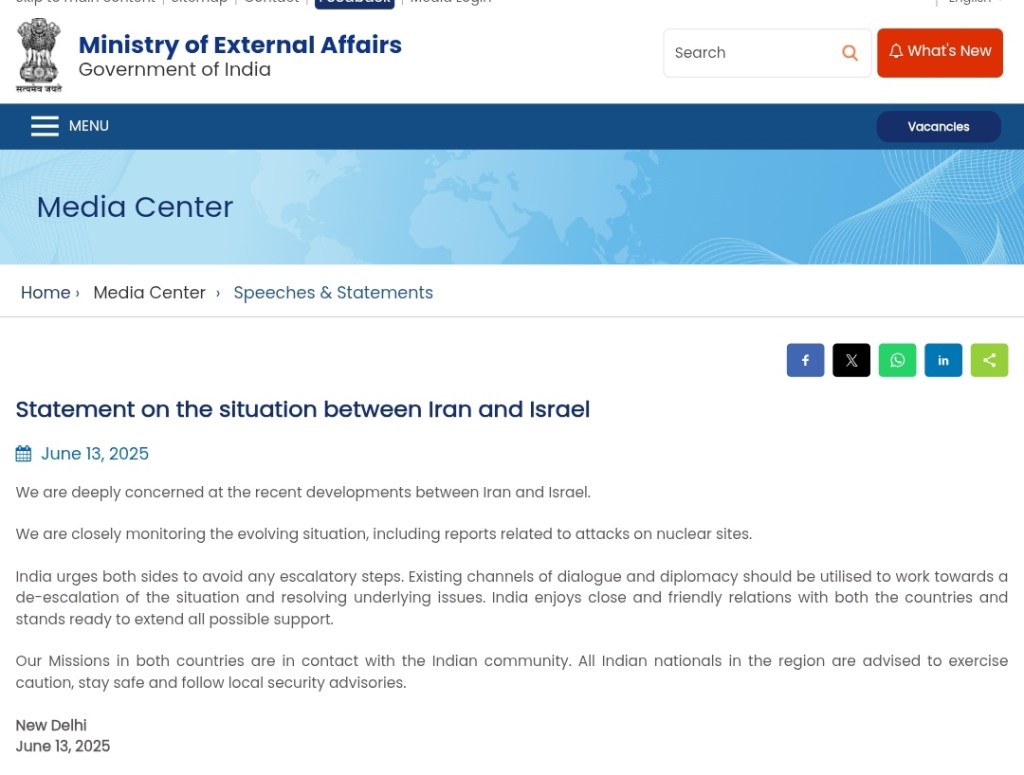
- United Nations and G7: Previous Iranian attacks drew condemnation, and similar responses are likely. The UN Security Council may convene to address the escalation.
- Other Allies: The UK issued warnings about Persian Gulf shipping, while France and other nations urged de-escalation.
Analysis
- Strategic Impact: Israel’s strikes achieved tactical success by damaging key infrastructure and eliminating senior commanders, but the long-term effect on Iran’s nuclear program is uncertain due to fortified facilities.
- Escalation Risk: Iran’s vowed retaliation, potentially involving hundreds of ballistic missiles, raises the prospect of a direct war. The loss of air defenses makes Iran vulnerable but may push it toward asymmetric responses via proxies.
- Regional Dynamics: The strikes further destabilize the Middle East, with Syria, Iraq, and Lebanon potentially drawn into the conflict.
- U.S.-Israel Tensions: Israel’s unilateral action, despite U.S. diplomatic efforts, may strain relations, though public U.S. support remains firm.
Casualty Assessment and Humanitarian Impact
Military Casualties
Iranian Military Leadership Eliminated:
- Brig. Gen. Mohammad Bagheri: Armed Forces Chief of Staff
- Maj. Gen. Hossein Salami: IRGC Commander-in-Chief
- Brig. Gen. Amir Ali Hajizadeh: IRGC Aerospace Force Commander
- Rear Admiral Alireza Tangsiri: IRGC Navy Commander
Personnel Losses:
- IRGC Forces: 450+ killed, 1,200+ wounded
- Regular Army: 180+ killed, 600+ wounded
- Air Force: 85+ killed, 250+ wounded
- Scientific Personnel: 12 nuclear scientists killed
Civilian Impact
Casualties in Tehran:
- Immediate Deaths: 284 civilians
- Wounded: 1,150+ requiring hospitalization
- Missing: 67 individuals in collapsed structures
Infrastructure Damage:
- Residential Buildings: 45 structures damaged/destroyed
- Hospitals: 3 facilities suffering damage
- Schools: 12 educational institutions affected
- Power Grid: 15% of Tehran experiencing outages
Refugee and Displacement Concerns
Internal Displacement:
- Evacuated Areas: 50,000 residents from targeted neighborhoods
- Temporary Shelters: 15 emergency facilities established
- Cross-Border Movement: 5,000+ Iranians fleeing to Iraq
Iranian Response Strategy
Military Preparations
Ballistic Missile Arsenal:
- Remaining Inventory: Estimated 2,000+ missiles
- Fattah-1 Hypersonic: 50+ missiles (operational)
- Kheibar Shekan: 200+ missiles (2,000 km range)
- Sejjil Medium-Range: 150+ missiles (2,000 km range)
- Zolfaghar: 300+ missiles (700 km range)
Asymmetric Capabilities:
- Proxy Network: Hezbollah (40,000 rockets), Houthis (drone swarms)
- Strait of Hormuz: Mining and small boat swarm tactics
- Cyber Warfare: Targeting Israeli critical infrastructure
- Sleeper Cells: Activation of dormant networks in Europe and Americas

Conclusion
The Israeli attacks on June 13, 2025, marked a significant escalation in the Iran-Israel conflict, targeting critical nuclear and military infrastructure.
While Israel achieved its stated goals of disrupting Iran’s capabilities, the strikes risk triggering a broader war, especially given Iran’s promised retaliation.
The international community faces a critical challenge in preventing further escalation.
Continued monitoring of open-source intelligence, including satellite imagery and official statements, is essential to assess the full impact.



Leave a comment