
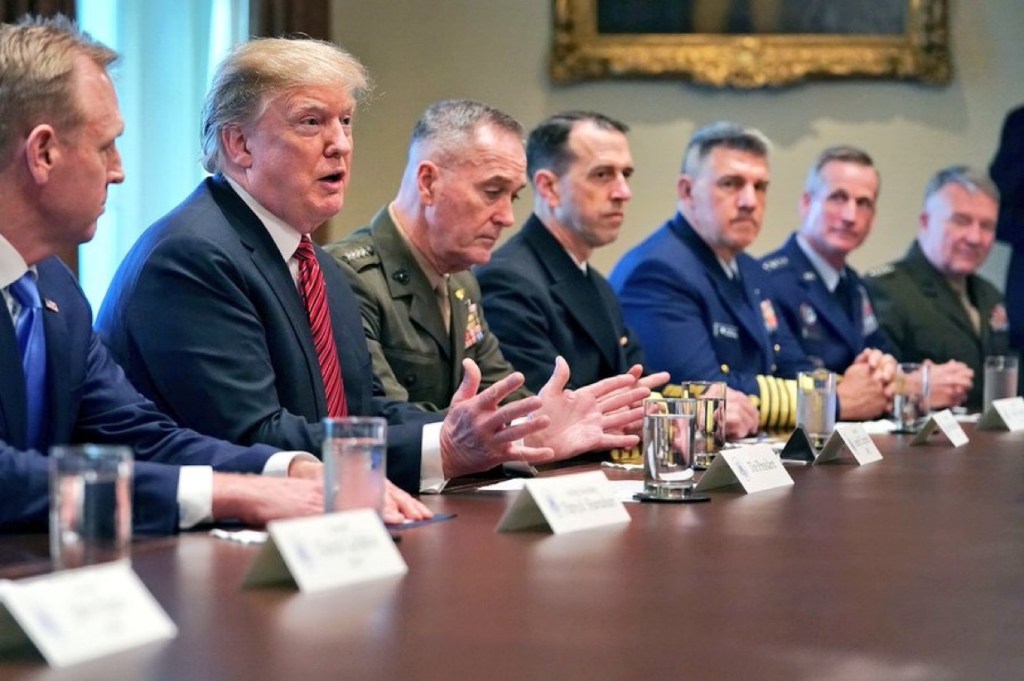
In a dramatic escalation of tensions in the Middle East, the United States has begun moving fighter jets to the region, a move confirmed by multiple U.S. officials and reported widely on Tuesday, June 17, 2025.
The deployment comes as the conflict between Israel and Iran intensifies, with airstrikes, missile exchanges, and warnings from world leaders dominating headlines.
This strategic repositioning of military assets, including advanced fighter aircraft such as the F-16, F-22, and F-35, underscores the U.S.’s deepening involvement in a region long considered a geopolitical hotspot.
The Military Move: A Defensive Posture or Strategic Signal?
According to a Reuters report published on June 17, 2025, the U.S. military is not only deploying additional fighter jets but also extending the deployment of existing warplanes in the Middle East.
U.S. Defense Secretary Pete Hegseth described the move as “defensive in nature,” aimed at protecting American forces from potential retaliatory strikes by Iran and its allies. The deployment includes a significant air presence, bolstered by nearly 40,000 U.S. troops already stationed in the region, equipped with air defense systems and warships capable of intercepting ballistic missiles.
This escalation follows a series of provocative actions.
On June 14, 2025, Israel launched what it described as its “largest ever” airstrike campaign against Iran, targeting the Natanz nuclear enrichment facility southeast of Tehran.
Satellite imagery from Maxar Technologies, cited by AP News, revealed extensive damage to the site, raising fears that Iran is on the brink of developing a nuclear weapon.
In response, Iran has retaliated with missile strikes on Israeli territory, including an attack on central Israel reported on June 17, 2025, which triggered air raid sirens in Tel Aviv and left smoke rising over the skyline.
The U.S. decision to bolster its military presence appears tied to these developments, as well as a broader strategic interest in maintaining influence in the Middle East.
Historical context highlights the region’s significance since World War II, when it became a “strategically important area” due to its oil reserves and geopolitical leverage.
The current deployment may also reflect concerns over Iran’s growing regional power, particularly its support for proxy militias, and the need to support Israel, a long-standing U.S. ally.
Trump’s Warning and the Nuclear Shadow
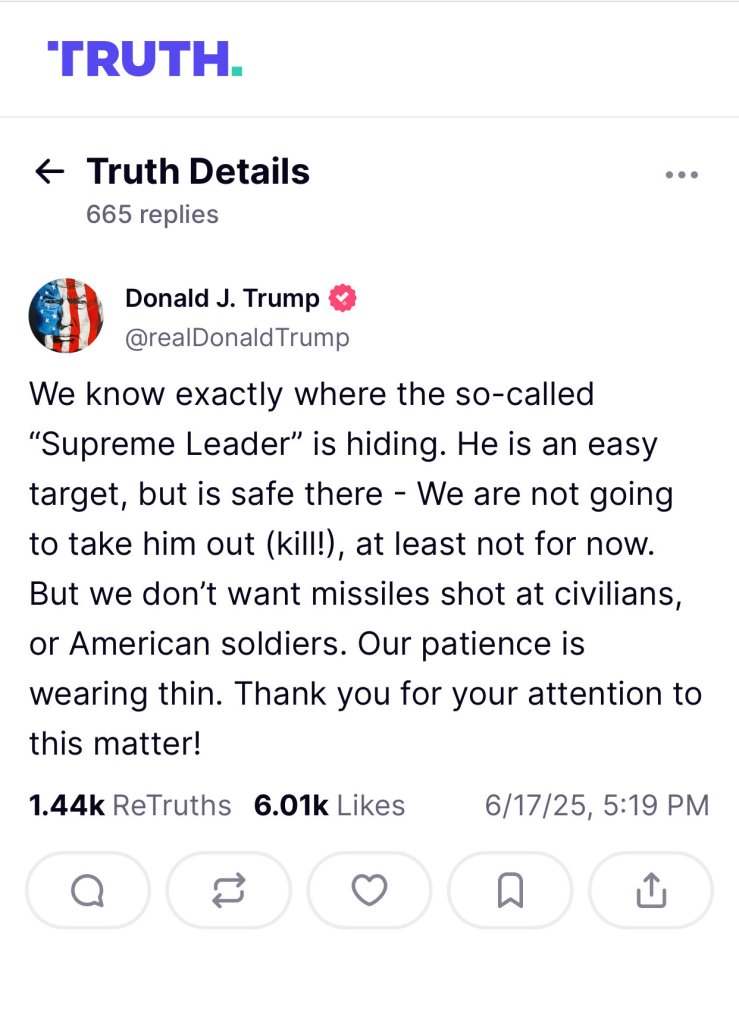
Adding to the complexity, U.S. President Donald Trump issued a stark warning on June 17, 2025, urging residents to flee Iran’s capital, Tehran, amid reports of Israeli strikes and explosions.

An Iranian state television broadcast was interrupted by an explosion, forcing a reporter to abandon a live segment, while rescue services worked to extinguish fires following missile impacts.
This escalation has reignited debates about the nuclear question, with Israel claiming that its preemptive strikes were necessary to prevent Iran from achieving nuclear capability—a claim Iran vehemently denies.
The U.S. deployment of tanker aircraft to Europe and an aircraft carrier to the Middle East, first reported by Reuters, provides President Trump with a range of military options as tensions soar.
Analysts suggest this could be a signal to Iran to de-escalate, though it also risks drawing the U.S. into a broader conflict. The presence of advanced fighter jets, capable of conducting precision strikes and air superiority missions, could serve as both a deterrent and a preparatory measure for potential combat operations.
Geopolitical Implications and Historical Parallels
The U.S. military’s actions must be viewed within the broader context of its historical relationship with the Middle East.
Since the Cold War, Washington has sought to counter Soviet—and later Russian and Iranian—influence in the region, often through support for Israel and anti-communist regimes.
The current deployment echoes this strategy, with the U.S. aligning itself with Israel against Iran, a nation it has long viewed with suspicion due to its nuclear ambitions and support for groups like Hezbollah.
However, the situation is complicated by shifting alliances.
Saudi Arabia’s recent “comprehensive strategic partnership” with China, signed in December 2022, highlights a diversification of Middle Eastern foreign relations, challenging U.S. dominance. This could force the U.S. to rely more heavily on military presence to maintain its influence, a move that risks escalating tensions rather than resolving them.
The Israel-Iran conflict also raises questions about the effectiveness of U.S. diplomacy.
Despite decades of sanctions and negotiations, Iran has continued to advance its military capabilities, while Israel’s preemptive strikes have failed to deter retaliatory actions. The deployment of fighter jets may signal a return to a more muscular U.S. foreign policy, reminiscent of the post-9/11 era, but it also opens the door to unintended consequences, including a wider regional war involving Iran’s allies in Syria, Lebanon, and Yemen.
What Lies Ahead?
As the U.S. reinforces its military footprint, the immediate focus will be on whether this deters further escalation or provokes a stronger Iranian response.
The deployment of additional Navy warships to the Eastern Mediterranean, as hinted by a U.S. defense official, suggests preparedness for a prolonged standoff.
Meanwhile, the international community, including the United Nations, has yet to issue a cohesive response, with calls for de-escalation overshadowed by the rapid pace of military developments.
For Israel, the strikes on Natanz may have bought time, but they have also intensified Iran’s resolve. For the U.S., the challenge will be to balance support for its ally with the risk of being drawn into a quagmire.
In the coming days, the world will watch closely as these military maneuvers unfold.
The U.S. deployment is a calculated step, but its success will depend on diplomatic finesse as much as military might. As the dust settles—both literally in the Middle Eastern deserts and figuratively in the realm of international relations—the true cost of this escalation will become clearer.



Leave a comment